



A quiet year doesn’t remove your tax return obligation. If you carried on a business as a sole trader in Australia, you must lodge a tax return even if the business earned no income or your income was below the tax-free threshold. Preparing a sole trader tax return in Brisbane means bringing together your business income, claimable expenses, other income and claimable individual deductions; the usual individual lodgement deadline is 31 October, or a later date if you use a registered tax agent.
It can feel harder when your records are spread across invoices, bank transactions and bookkeeping files. A clear set of records makes it easier to report your business activity accurately and understand what information is still needed. This guide explains what to gather, how to prepare and lodge your return, and what to expect from refunds and ATO notices. You’ll also see how myTax, a registered tax agent and paper lodgement differ, so you can take the next step with more confidence.
Key Takeaways
- Choose a lodgement method that suits your records and the level of support you need, then gather your income and deduction details before you begin.
- Use the timing of tax information becoming available to plan your preparation and reduce the chance of missing relevant details.
- Understand how refunds and ATO notices fit into the process so you know what to look for after lodging.
- If your business records or income sources are complicated, identify the details that need closer attention before preparing your return.
Lodging through myTax, a registered tax agent or by paper
For a sole trader tax return in Brisbane, you can lodge through the ATO’s myTax, use a registered tax agent, or submit a paper return. Choose the option that fits your records, confidence with online forms, and whether you want an accountant to prepare and lodge your return.
Before starting, organise your business income, expenses, other income and personal deductions. If you’re GST-registered, keep your GST records separate from income tax information so each part of your situation is clear. Australian sole traders with annual turnover above A$75,000 must register for GST and pay it. Monitor turnover as your business grows.
ABN registration and GST registration are separate steps. An ABN identifies your business, while GST registration applies when the annual turnover threshold is reached. Allow 3 weeks to gather documents before an appointment, especially if invoices, bank records and bookkeeping entries need sorting. I highly recommend matching income records against bank deposits before lodging.
What records must Australian sole traders keep, and for how long? Keep invoices, receipts, bank statements, and records that support your income and deductions. The required retention period depends on the record and your circumstances.
What penalties apply for late or incorrect sole trader tax returns in Australia? Consequences depend on the circumstances and the issue. Keeping accurate records and addressing errors promptly can help you resolve problems with a return.
What are the 2025-26 sole trader tax rates and Medicare levy in Australia? Your tax outcome depends on taxable income and the rules applying to your situation; the Medicare levy also affects the assessment. Use the applicable 2025-26 rates when estimating a tax refund or amount payable.
What business expenses can sole traders claim as tax deductions in Australia? You can generally claim expenses related to earning business income, not private costs. Keep evidence and separate mixed-use expenses, such as a phone bill, so you can identify the business portion.
For complex records or uncertainty about lodgement, a registered tax agent can help prepare and lodge your return. Find details of the Brisbane tax service and consider which method best fits your sole trader tax return in Brisbane.
Refund timing and ATO notices of assessment
After you lodge your individual tax return, the Australian Taxation Office (ATO) assesses it and issues a notice of assessment. You don’t need to calculate the final amount payable yourself. The notice explains the ATO’s assessment and whether you’re due a refund or need to pay an amount.
Processing time depends on the lodgement method and whether the ATO needs to review details. Most refunds for paper tax returns are finalised within 50 days of lodgement. Digital lodgement and a complete, consistent return can make the process more straightforward, but avoid relying on a particular payment date when planning business cash flow.
When the notice arrives, compare its figures with your lodged return. Check your income, deductions, tax offsets, and any PAYG instalments credited to the assessment. If the notice shows different business income from your records, gather relevant invoices and statements before responding or correcting the information. Keep the notice with your tax records.
Tax accountants may charge an upfront fee or, under agreed terms, allow payment from a refund. Before authorising work, read the engagement terms to understand the fee, when it is due, and whether it can be deducted from a refund. A refund isn’t the same as business profit, so plan around your cash position and upcoming expenses.
If the ATO requests information, read the notice carefully and respond by the stated date. Keep copies of the documents you send and note when you replied. If the assessment looks incorrect, use the notice to identify the issue and follow the ATO’s instructions for addressing it.
For help preparing an individual return and understanding its outcome, explore personal tax return support as part of your next tax step.
Sole trader tax return preparation and lodgement
Preparing an individual return involves organising your business figures, personal income, and supporting records before lodgement. A clear process helps you report accurately and identify deductions related to earning business income.
Return Eligibility and Reporting
Australian sole traders must lodge a tax return even if the business earned no income or their income was below the tax-free threshold. There’s no business income threshold that removes this lodgement requirement. Report business income, claimable business deductions, other income, and claimable individual deductions. For example, include relevant rental income and check that your records support each amount.
Preparation and Tax Advice
Before lodging, reconcile sales, bank deposits and expenses, then sort documents by income type and deduction. A tax professional can help review the figures, explain how a deduction applies and prepare the return using your records. To look for free or low-cost help, start with Australian Taxation Office guidance and available tax-help options. Ask about pricing and what preparation or post-lodgement support covers before engaging an adviser.
Electronic Return Lodgement
The ATO allows individuals to lodge online through myTax. Enter your income and deductions carefully, compare the totals with your records, and review the completed return before submitting it. Keep the lodgement confirmation and a copy of your return with your supporting documents. Online lodgement can help organise information, but accurate records and a final review remain important.
Lodgement Deadlines
The individual tax return deadline is 31 October, or a later date when using a registered tax agent. Note the deadline early and give your adviser time to prepare and review your statement and supporting records. If you lodge yourself, allow time to resolve missing information before submission. After lodging, keep the confirmation and respond to any Australian Taxation Office request for information.
Complex sole trader tax returns
A complex return may include details that don’t fit a simple income-and-expense summary. If you earn income through several channels, reconcile each source against invoices, payment reports, and bank deposits. This makes totals easier to trace and differences between records easier to explain.
Mixed business and personal use also needs careful treatment. A vehicle or phone used for both purposes, for example, needs clear records of its business use. Organise receipts and usage notes by expense type, then match each claim to evidence. This helps keep private spending separate from business deductions.
- Compare this year’s income records with the previous return.
- Group invoices by sales channel before adding business income.
- Separate private and business portions of shared expenses.
- Keep notes explaining unusual transactions or missing documents.
Pay close attention to changes from the previous year. A new income stream, a different business structure, or a major change in expenses may explain a different result. Don’t automatically copy last year’s figures. Compare the records and note why amounts differ so your return reflects the current year’s activity.
A registered tax agent can help when records cover several income sources or deductions need careful review. Bring together bookkeeping reports, invoices, receipts, and relevant correspondence. A clear file helps the agent see how each amount relates to your business activity and where more information may be needed.
Good preparation also supports tax planning for the next year. Track income and expenses throughout the year instead of rebuilding your records at lodgement time. Regular bookkeeping, for example, can make sales trends and recurring costs easier to review. This gives you a clearer picture of business performance, not just a completed return.
ASAP Solutions: Business Tax Services
ASAP Solutions provides Business Tax Services to help sole traders prepare and lodge business tax returns. This support can be useful when income comes from several sources, records need organising, or business expenses need careful review. If you also need help keeping financial records in order throughout the year, Bookkeeping & Payroll can support a smoother tax preparation process.
Bring your income and expense records, bookkeeping reports, and any ATO correspondence to discuss your situation. If you also need an individual return, ASAP Solutions’ Personal Tax Returns service can address that part of your tax needs.
Contact ASAP Solutions to discuss support for your sole trader tax return, or visit asapsolutions.tax.
Make your next tax year easier to manage
Make tax records part of your regular business routine. Set aside time to update your bookkeeping, keep receipts with related transactions, and note income changes as they happen. Whether you’re in Brisbane, Forest Lake, Heathwood, Pallara, or Inala, preparing your sole trader tax return is easier when you have clear, current records rather than a last-minute search through emails and statements.
ASAP Solutions offers Business Tax Services and Bookkeeping & Payroll to support business records and tax preparation. NDIS Plan Management is a separate service for NDIS participants. The right support depends on what you need help managing, from organising business information to preparing a return.
Take the next step at a pace that suits your business. Contact ASAP Solutions today to discuss your tax and bookkeeping needs. With a steady process and organised records, you can give more attention to the work that helps your business move forward.
Frequently Asked Questions
What do I need to bring?
Gather records that let you trace each business transaction from source to account. Useful documents include sales invoices, bank and payment-platform statements, supplier receipts, asset purchase documents, and notes showing business use of shared items. Include ATO correspondence and details of income outside the business. A payment-platform report, for example, can help explain deposits that don’t appear as individual invoice amounts.
What does it cost?
The cost depends on your situation and is provided after a quote request. Factors include how complete your bookkeeping is, the number of income sources, the condition of supporting records, and whether GST or other business reporting needs attention. A sole trader with organised digital records may need different preparation work from someone with missing receipts or several income streams.
What are the ATO deadlines for sole trader tax returns and BAS lodgments?
The individual return deadline is generally 31 October, with a later date available through a registered tax agent. BAS due dates depend on the reporting period and the due date shown for your statement. Keep the income tax deadline separate from BAS dates, and set reminders from the ATO information for each lodgement rather than relying on one annual calendar entry.
How do Brisbane sole traders register for an ABN, GST and PAYG instalments?
An ABN is a free, 11-digit business number. Check whether your turnover means you need to register for GST, as the requirements can depend on your circumstances. Treat ABN, GST and PAYG instalments as separate registrations or tax arrangements, not one combined application. For PAYG instalments, follow the ATO’s instructions in your account or notice, and keep the payment records with your business files.
How do sole traders calculate and pay GST in Australia?
Use your GST records to total the GST collected on sales and account for GST credits on eligible business purchases. Keep invoices and receipts to support each amount, and use the figures when completing the relevant BAS. Record a supplier purchase separately from a private expense, which doesn’t belong in business GST calculations.
How much do Brisbane accountants charge to prepare a sole trader tax return?
There isn’t one fee that suits every Brisbane sole trader tax return. The price depends on the case and is provided after a quote request. Cost factors include the organisation of records, number of income sources, complexity of deductions, and GST or BAS work involved. Ask what preparation covers and how extra work is handled before agreeing to an engagement.
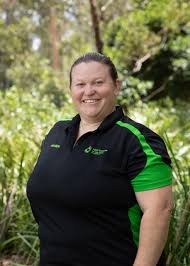
Article by
Amanda Palmer
Amanda Palmer is the founder and CEO of ASAP Solutions, which offers a full suite of financial services, focusing on NDIS Plan Management, Business Tax Accounting and Advisory.
Amanda builds close working relationships with her clients and their families and assists them to effectively manage their financials. She tries to eliminate client roadblocks, frustrations and confusions by making processes as effective as possible and is constantly working for the best outcome for her clients.
Disclaimer
“The information on this website is general in nature and is provided for information purposes only. It is not legal, financial or professional advice. You should obtain specific, independent advice relevant to your circumstances.”