


What if you could keep an extra A$3,000 of your business profit this year simply by fixing a few common bookkeeping mistakes? The ATO’s latest analysis highlights a A$15.1 billion tax gap for small businesses, often caused by simple reporting errors and missed deductions. If you are searching for how to pay less tax legally in Queensland, you aren’t alone. Most growth-minded business owners we meet feel frustrated by spreadsheet nightmares and the constant anxiety of a potential penalty.
It’s exhausting to work so hard only to see your earnings vanish into complex tax obligations. We believe managing your money should feel empowering, not scary. This 2026 guide provides a stress-free roadmap to help you legally minimise your tax bill and regain your confidence. We’ll walk through clear, actionable steps to reduce your taxable income and show you how to use tech like Xero to keep your finances simple and optimized. Let’s get your tax affairs sorted so you can focus on what matters most in your business.
Key Takeaways
- Learn the clear difference between illegal schemes and smart, proactive strategies for how to pay less tax legally in Queensland.
- Discover why selecting the right business structure is the essential foundation for keeping more of your hard-earned profits.
- Get practical tips on maximising high-impact deductions and timing your expenses to reduce your year-end tax bill.
- Move beyond “tax season” stress by using cloud accounting tools to monitor your tax position in real-time all year round.
- Understand how a jargon-free approach from an IPA member like Amanda can turn complex financial obligations into a simple, supportive partnership.
Legitimate Tax Planning: How to Keep More of What You Earn in QLD
Tax planning isn’t about finding “loopholes” or hiding money in secret accounts. It’s the strategic, legal arrangement of your financial affairs to ensure you don’t pay a cent more than you owe. If you are wondering how to pay less tax legally in Queensland, the secret lies in being proactive rather than reactive. Instead of waiting until June 30 to scramble through receipts, we look at your goals early to keep your cash flow healthy.
The Australian Taxation Office (ATO) actually encourages proactive tax planning. They prefer taxpayers who understand their obligations and use the system correctly. When you have a clear roadmap, you gain confidence. You stop fearing the “tax man” and start seeing tax as a manageable part of your business strategy. This stress-free approach allows growth-minded owners to focus on expansion, knowing their compliance is handled by experts who care about their success.
Understanding the Overview of Australian Taxation helps clarify why certain strategies work. For the 2025-26 financial year, the base rate entity company tax rate remains at 25%. Knowing how to qualify for this rate can save a business thousands of dollars annually. We handle the numbers, so you can focus on what matters most to your lifestyle and family.
Minimisation vs. Avoidance: Staying on the Right Side of the Law
It is vital to understand the line between smart planning and risky behavior. Tax planning is a legitimate way to claim every deduction you are entitled to by law. This includes things like prepaying expenses or making additional superannuation contributions before the EOFY deadline. On the flip side, tax evasion involves deliberately under-reporting income or falsifying records, which leads to heavy penalties.
Be wary of “too good to be true” schemes. If a promoter promises you 100% tax-free income or suggests complex offshore structures with no commercial purpose, walk away. These are red flags for the ATO. Legitimate minimisation is transparent, documented, and follows the spirit of the law. It’s about being efficient, not being elusive.
Why Queensland Businesses Need a Local Perspective
While income tax is managed at a federal level, living and working in the Sunshine State brings unique opportunities. The QLD economy has specific cycles, from the booming tourism sectors in the north to the professional hubs in Brisbane and the Gold Coast. Local conditions, such as QLD-specific payroll tax thresholds (currently set at A$1.3 million for annual wages), can significantly impact your bottom line as you grow.
Having a local partner who understands these nuances is a game-changer. Our team, led by Amanda (an IPA member), understands the local landscape and how to apply federal rules to your specific QLD context. We help you stay in control of your finances without the stress. Learn more about our tax services to see how we can streamline your obligations and help your business thrive in 2026.
Strategic Business Structures: The Foundation of Lower Tax Bills
Setting up your business correctly from day one is the most effective way to manage your future tax obligations. Many business owners in the Sunshine State start out with the simplest setup available, but as profits grow, those early choices can become expensive. Understanding the different options is a vital part of learning how to pay less tax legally in Queensland without the usual headache.
Your structure dictates how much tax you pay, your personal liability, and how easily you can share profits with family. It isn’t just about paperwork; it’s about creating a foundation that supports your growth goals for 2026 and beyond. While you focus on building your brand, we focus on ensuring your structure remains “tax effective” so you aren’t handing over more than your fair share to the tax office.
Sole Trader vs. Company: Which Saves You More?
Being a sole trader is simple and low-cost. You have full control, and the setup is instant. However, the downside is that you are taxed at individual marginal rates. In Australia, if your profit exceeds A$190,000, you could be paying up to 45% in tax plus the Medicare levy. This is where many people feel the pinch. A company structure can often “cap” your tax at the corporate rate of 25% for small business base rate entities. This creates a significant saving that you can reinvest back into your business operations.
Beyond the numbers, a company offers better asset protection. It separates your personal assets, like your family home, from your business risks. While you look at these business structures, don’t forget that individual rules still apply to your personal income. You can check this ATO guide to personal tax deductions to see how your personal claims might change depending on your role in the business.
The Power of Discretionary Trusts
If you have a family, a discretionary trust might be the most powerful tool in your kit. These structures allow for “income splitting,” which means you can distribute business profits to family members who are in lower tax brackets. This legally lowers the total tax paid by your household. Trusts also allow for the “streaming” of specific income types. For example, you can direct capital gains to a beneficiary who has the best tax position to utilize the 50% capital gains tax discount.
Choosing between these options can feel like a lot to handle. As an IPA member, Amanda Palmer provides the expert guidance needed to navigate these choices. She ensures your structure is compliant with the latest rules so you stay in control. If you’re unsure if your current setup is still working for you, it might be time to review your tax strategy with a professional who cares about your success. We help you pick a model that matches your ambition, ensuring you know exactly how to pay less tax legally in Queensland as your business evolves.
Maximising Deductions and Navigating Queensland State Taxes
Understanding your local obligations is the first step in learning how to pay less tax legally in Queensland. While federal taxes often take the spotlight, our state-specific charges can significantly impact your bottom line. We want to help you keep more of what you earn by staying ahead of the June 30 rush. The key is to be proactive rather than reactive. By managing your expenses and understanding local thresholds, you can simplify your finances and reduce your end-of-year stress.
Queensland State Taxes: Payroll and Land Tax
Queensland’s Payroll Tax threshold currently sits at A$1.3 million in annual Australian wages. This is a generous buffer compared to some other states, but it’s easy to cross as your team grows. If you’re approaching this limit, we can look at your business structure to ensure you aren’t paying more than necessary. It’s about growing your business without accidentally triggering a massive tax bill.
Land Tax is another area where property investors in Brisbane and regional areas need to be careful. For individuals, the threshold is A$600,000 in total taxable land value. For companies and trusts, that number drops to A$350,000. We recommend reviewing your property holdings early in the year. Small shifts in how you hold assets can sometimes keep you under these limits, protecting your investment returns from being eaten away by state levies.
Smart Deductions for the 2026 Financial Year
Maximising your deductions is a powerful way to lower your taxable income. For the 2026 financial year, the Instant Asset Write-off remains a vital tool for small businesses with an annual turnover under A$10 million. You can often claim an immediate deduction for the cost of a depreciating asset that costs less than A$20,000. This is perfect for upgrading office tech or essential machinery before the deadline.
- Bring forward expenses: If you know you’ll need office supplies, insurance, or professional subscriptions in July, pay for them in June. This reduces your profit for the current year.
- Superannuation: Ensure your employee and personal concessional contributions are cleared in the fund’s bank account by June 30 to claim the deduction. For 2026, the concessional cap is A$30,000.
- Bad debts: If a client hasn’t paid and you’ve lost hope of collecting, write it off in your books before the EOFY to reduce your reportable income.
The Australian Taxation Office guide to deductions provides a comprehensive list of what you can claim, but applying these rules to your specific QLD business is where the real savings happen. If you’re feeling stuck, you can check our FAQ for common deduction questions to get quick answers.
The real secret weapon for tax minimisation is flawless record-keeping. Using tools like Xero or MYOB makes this easy. When you track every A$1 spent in real-time, you don’t miss out on legitimate claims. We love seeing our clients move away from “shoebox accounting” because it gives them total control and peace of mind. When your records are tidy, you’ve already won half the battle in discovering how to pay less tax legally in Queensland.
A Step-by-Step Guide to Year-Round Tax Planning in 2026
Most business owners in Queensland wait until June to think about their obligations. That approach usually leads to unnecessary stress and missed opportunities. If you want to know how to pay less tax legally in Queensland, the secret isn’t a last-minute scramble. It’s about staying in control every single month. We help you shift from “tax season” panic to a continuous, supportive process that keeps your finances clear and manageable.
Using Xero to Stay Ahead of the ATO
Cloud accounting is the backbone of a modern, stress-free business. When you use platforms like Xero or MYOB, you see your financial position in real-time rather than waiting for a report months after the fact. Automated bank feeds and smart coding save the average small business owner about 10 hours of manual data entry every month. This technology handles the heavy lifting so you don’t have to worry about the numbers.
Managing your cash flow is much easier when you can track GST and BAS obligations as they happen. This visibility ensures you aren’t caught off guard by a large bill you didn’t budget for in your business account. If you need a refresher on these requirements, read our What Is GST in Australia? A Stress-Free Guide for Brisbane Businesses (2026). Digital receipt management also ends the “spreadsheet nightmare” by capturing every expense on your phone the moment it happens, ensuring you never miss a deduction.
The 3-Month Pre-Tax Checkup
April is the most critical month for your tax strategy. This is when you should meet with your IPA accountant to review your year-to-date profit and loss statement. By looking at your numbers in April, you have roughly 90 days to make smart decisions before the financial year ends on June 30. You can identify if you’re on track for a higher tax bracket and take action early to manage that impact.
- ✅ Review your equipment needs and make strategic purchases before the year ends.
- ✅ Check your superannuation contributions to maximize personal tax deductions.
- ✅ Clear up any outstanding coding issues in your cloud software to ensure accuracy.
Proactive reviews allow you to implement strategies that are impossible to execute after June 30. Instead of looking backward at what you owed in the past, you’re looking forward at what you can save right now. This 3-month window is your best chance to optimize your position and ensure you’re only paying what is legally required while keeping your cash flow healthy.
Ready to take the stress out of your 2026 tax return? Explore our tax planning services to see how we can help you stay in control of your business growth.
Why a Modern IPA Member is Your Best Ally Against Tax Stress
Tax doesn’t have to be a source of constant anxiety. Amanda Palmer, an expert tax professional and IPA (Insolvency Practitioners Association) member, founded ASAP Solutions with a clear mission: to make finances simple. We live by a “Not Your Normal Accountant” philosophy. This means we ditch the stuffy suits and confusing jargon in favour of real conversations and actionable advice. Learning how to pay less tax legally in Queensland starts with having a partner who actually speaks your language.
We handle the numbers so you can focus on growing your business. Many traditional firms only look at your data once a year during tax season. We take a different path. By being tech-savvy and future-focused, we use tools like Xero and MYOB to keep your records accurate in real-time. This proactive approach ensures you aren’t hit with nasty surprises when June 30 rolls around. You get the peace of mind that comes from knowing your obligations are met and your tax position is optimized for the 2026 financial year. For entrepreneurs exploring the cutting edge of finance and global mobility, Block3 Finance provides insights into how strategic planning can open doors to international living.
The IPA Difference for Small Businesses
Small business owners in Queensland face unique challenges, from fluctuating cash flows to specific state-based regulations. An IPA (Insolvency Practitioners Association) member brings a specialized perspective to your boardroom. Amanda focuses on practical insights and ideas that help your business stay resilient and profitable. Instead of just looking at compliance, we look for opportunities to improve your bottom line. You can learn more about our approach and the faces behind the firm by visiting the page About the ASAP Solutions team.
- ✅ Practical Advice: We provide solutions that work in the real world, not just on a spreadsheet.
- ✅ Jargon-Free Zone: We explain your financial position in a way that actually makes sense.
- ✅ Growth Oriented: Our team is invested in your success and your long-term business goals.
Ready to Take Control of Your Tax?
It’s time to move from confusion to empowerment. Our goal is to show you how to pay less tax legally in Queensland by identifying every deduction and incentive you’re entitled to. You don’t have to feel like you’re drowning in receipts or lost in a sea of paperwork. We’re here to streamline your processes and give you back your time. Whether you’re a tradie, a consultant, or a growing retail brand, we provide the steady hand you need to stay in control. If you’re ready for a better way to manage your money, Contact us for a stress-free chat today and let’s get started on your 2026 tax strategy.
Take Charge of Your 2026 Growth Today
Tax doesn’t have to be a source of constant anxiety for your business. By implementing a strategic structure and maintaining a year-round approach to your finances, you can stop the end-of-year scramble. Utilizing modern cloud accounting software like Xero or MYOB allows you to track every deduction in real time, ensuring no A$ is left on the table. Understanding how to pay less tax legally in Queensland is about more than just numbers; it’s about giving yourself the financial breathing room to scale your operations throughout 2026.
As an IPA (Insolvency Practitioners Association member), Amanda Palmer provides the expert guidance needed to navigate complex state taxes without the confusing jargon. We specialize in Queensland small business growth, helping you move from spreadsheet nightmares to total financial clarity. We handle the heavy lifting of compliance so you can get back to what you do best. You’ve worked hard to build your business, and you deserve a partner who cares about your success as much as you do.
Ready to simplify your finances? Book a stress-free tax consultation with ASAP Solutions today. Let’s make 2026 your most profitable and organized year yet.
Frequently Asked Questions
Is it legal to pay less tax in Australia?
Yes, it’s completely legal to use tax planning strategies to minimize your obligations. The ATO distinguishes between tax evasion, which is illegal, and tax planning, which involves using legitimate deductions and offsets. By understanding the rules for the 2026 financial year, you can keep more of your hard earned money while staying fully compliant. We focus on helping you find these “how to pay less tax legally in Queensland” opportunities so you can feel empowered and stress free.
What is the best business structure for tax purposes in Queensland?
There isn’t one single “best” structure, but many Queensland small businesses choose a Company or a Discretionary Trust for better tax flexibility. For example, a company structure has a flat tax rate of 25 percent for base rate entities in 2026. Choosing the right setup can protect your assets and allow for profit distribution to family members in lower tax brackets. We’ll help you look at your specific goals to decide which path makes the most sense for your growth.
How can I reduce my personal income tax legally before June 30?
You can reduce your taxable income by prepaying expenses for the next year or making tax deductible donations to registered charities before June 30, 2026. If you have income producing assets, consider paying for professional memberships or insurance premiums early to claim them in the current period. These small moves add up quickly and lower your final bill. It’s all about being proactive rather than waiting until the last minute to find savings.
Can I claim home office expenses in my 2026 tax return?
Yes, you can claim home office expenses using either the ATO’s fixed rate method or the actual cost method. For the 2026 tax year, the fixed rate covers things like phone usage, internet, and electricity in one simple calculation. You just need to keep a record of your hours worked, such as a diary or timesheet, for the full 12 month period. This ensures you get every cent you’re entitled to without the headache of tracking every single bill.
What is the instant asset write-off limit for 2026?
For the 2025 to 2026 financial year, small businesses with a turnover under A$10 million can typically access an instant asset write-off for assets costing less than A$20,000. This allows you to claim a full deduction for the business portion of the asset in the year it’s first used or installed. It’s a great way to upgrade your tech or equipment while reducing your taxable profit. Always check the latest Treasury announcements, as these limits can change with the federal budget.
How does superannuation help reduce my taxable income?
Making personal concessional contributions to your superannuation is one of the most effective ways to lower your taxable income. For 2026, the annual concessional cap is A$30,000, which includes your employer’s contributions. When you put extra money into super and claim a deduction, that amount is taxed at just 15 percent inside the fund instead of your higher personal marginal rate. This strategy builds your future wealth while providing an immediate tax benefit today.
Do I need a local Queensland accountant to manage my taxes?
What happens if I make a mistake on my tax return?
If you realize you’ve made a mistake, you can usually fix it by lodging an amendment through the ATO. It’s best to do this as soon as possible to avoid potential interest charges or penalties. We’re here to help you navigate this process and ensure your records are accurate moving forward. Don’t panic; the ATO generally looks favorably on people who voluntarily correct errors. Our goal is to make these corrections simple and stress free.
Article by
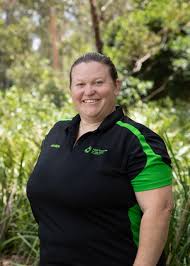
Amanda Palmer
Amanda Palmer is the founder and CEO of ASAP Solutions, which offers a full suite of financial services, focusing on NDIS Plan Management, Business Tax Accounting and Advisory.
Amanda builds close working relationships with her clients and their families and assists them to effectively manage their financials. She tries to eliminate client roadblocks, frustrations and confusions by making processes as effective as possible and is constantly working for the best outcome for her clients.
Disclaimer
“The information on this website is general in nature and is provided for information purposes only. It is not legal, financial or professional advice. You should obtain specific, independent advice relevant to your circumstances.”