

What if the secret to boosting your business cash flow this year isn’t a new marketing campaign, but a better understanding of your equipment’s lifespan? Many Australian business owners view tax season with a sense of dread, worried that a simple mistake regarding ato effective life determinations might lead to a stressful audit. It’s completely normal to feel overwhelmed by technical jargon and complex tables that seem designed to be difficult. You want to focus on your clients and your growth, not spend hours second-guessing your depreciation schedules.
I believe tax should be a tool for your success, not a source of anxiety. This guide will help you master the basics of asset depreciation to simplify your claims and keep more money in your bank account. We will explore the latest 2025-2026 rules, including how to handle the current $20,000 instant asset write-off threshold. You’ll learn exactly where to find specific asset rates and gain the clarity needed to feel fully confident in your tax compliance. Let’s turn that financial stress into a clear, manageable plan for your business.
Key Takeaways
- Understand the vital difference between an asset’s physical lifespan and its tax-effective life to ensure your deductions are accurate.
- Learn where to find the latest 2026 taxation rulings to identify the correct ato effective life for your specific business equipment.
- Discover how cloud accounting tools like Xero and MYOB can automate your depreciation calculations and simplify your record-keeping.
- Identify the key moments when you should recalculate an asset’s life, such as after major upgrades or significant technological changes.
- Gain practical tips for maintaining a clean fixed asset register to reduce tax-time stress and better manage your business cash flow.
What Is ATO Effective Life and Why Does It Matter?
Think of ato effective life as the expected “working life” of your business tools. Whether you are using professional-grade equipment from New Local Tools or standard office furniture, it’s the estimated time an asset can produce income for your business. This isn’t always the same as how long a machine physically lasts. You might have a desk that stays sturdy for thirty years, but the tax office might view its useful life as much shorter. Understanding this distinction is the first step toward a stress-free tax season.
Your equipment has two different lifespans. There’s the physical life, which is how long it actually functions. Then there’s the tax-effective life, which is a standard period set by the government for wear and tear. Using the correct estimate ensures your Depreciation claims are accurate. Getting these numbers right is a core part of a healthy tax strategy. It protects you from the anxiety of overpaying tax or facing penalties during an audit. When your records match official standards, you can breathe easier knowing you’re fully compliant.
Choosing the right category matters because it dictates your yearly deductions. If you claim a life that’s too short, you risk looking like you’re inflating expenses. If it’s too long, you’re leaving money on the table. The ATO provides clear determinations for thousands of items. These rules are part of a broader depreciation framework designed to help you recover the cost of your investments over time.
The Link Between Effective Life and Cash Flow
Accurate asset tracking directly impacts your bank balance. A shorter effective life allows you to claim a larger deduction each year. This reduces your taxable income, which keeps more cash in your business for things like hiring or marketing. Growth-minded owners track asset aging carefully because they value efficiency. They know that every dollar saved through proper claims is a dollar they can reinvest. It’s about making your equipment work for you on the balance sheet just as hard as it does in your daily operations.
How to Determine the Effective Life of Your Assets
Finding the right number doesn’t have to be a chore. You can follow a simple four-step process to get your records in order. Start by looking at the latest official guidance. For the 2025-2026 financial year, the ATO has released the Income Tax (Effective Life of Depreciating Assets) Determination 2025. This document serves as your primary map for finding the ato effective life of your equipment.
Once you have the ruling, look for your specific industry. The ATO groups assets by how they’re used. A van used for plumbing might have a different rate than one used for courier services. You then decide between using the Commissioner’s set rate or choosing to self-assess. Finally, record the exact date you first used the asset or installed it ready for use. This date, along with the total cost, kicks off your depreciation schedule.
ATO Determinations vs. Self-Assessment
Most people stick to the official rates because it’s simpler. However, you have the legal right to self-assess the Effective life of a depreciating asset. You might do this if your equipment works in harsh environments or runs 24/7. The ATO looks at maintenance schedules, how often you use the item, and the likelihood of it becoming obsolete quickly.
Common Asset Examples for 2026
To give you a head start, here are some typical ato effective life estimates used by many Australian businesses:
- Laptops and Tablets: 3 years
- Motor Vehicles: 8 years
- Office Furniture: 10 years
Tech-heavy items usually have shorter lives because they go out of date fast. If you’re feeling stuck on a specific item, our Business Tax Services team can help you find the right fit. Choosing the right category now saves you from a lot of guesswork later. If you also work from home, understanding how to correctly depreciate assets like laptops and ergonomic chairs is closely tied to claiming work from home expenses Australia rules, which have their own specific requirements for 2026.
Managing Your Asset Schedule with Cloud Accounting
Managing a long list of equipment on a manual spreadsheet is often a recipe for a headache. Modern tools like Xero and MYOB change the game by automating the complex math for you. Once you determine the effective life of an item, you simply enter that data into your software’s fixed asset module. The system then calculates your monthly or yearly depreciation based on the ato effective life you’ve chosen. This keeps your financial reports accurate and up-to-date without you ever having to touch a calculator.
A clean fixed asset register is your best friend during BAS and tax time. It’s an organized list that proves what you own, when you bought it, and how much it’s worth today. When everything is tracked in the cloud, you won’t have to scramble for paper files when your accountant asks for details. A great habit is to attach a digital photo or PDF of the receipt directly to the asset entry in your accounting software. This creates a permanent, searchable paper trail that stays safe even if the original thermal receipt fades over time. It’s a simple step that provides massive relief during a tax review.
If you’re ready to get your business assets organized and running on autopilot, reach out to us for expert help with your Business Tax Services. We can help you set up a professional schedule that ensures you never miss a claim.
Avoiding Common Depreciation Mistakes
The “cost” of an asset includes the purchase price plus any money spent on transport and professional installation. Mixing up “repairs” and “capital improvements” is another frequent trap for many business owners. A repair simply fixes something to its original state, while an improvement adds value or extends the ato effective life of the item. Treating a major improvement as a simple repair can lead to errors that the ATO might flag, so it’s worth double-checking your work before you lodge.
For example, if you decide to check out QLD Shade to install professional outdoor blinds or awnings, these would typically be classified as capital improvements rather than simple repairs.
When to Recalculate and How an IPA Can Help
Life moves fast, and your business assets are no exception. While you set the ato effective life when you first buy an item, that number isn’t set in stone. You can actually recalculate it in any financial year if your situation changes. This flexibility is a great tool for businesses that push their equipment harder than average or invest in major upgrades that extend a machine’s usefulness. It’s about making sure your paperwork reflects the reality of your daily operations.
Common triggers for a review include significant technological shifts that make your current tools obsolete sooner than expected. You might also face unexpected wear and tear if your work environment is particularly harsh. On the flip side, a major refurbishment might mean an asset will now last much longer than you first thought. Keeping your records aligned with these real-world changes ensures your cash flow stays optimized. It also keeps your tax claims accurate, which is the best way to prevent future stress. This same principle applies if you use assets at home for work purposes, where the rules around claiming work from home expenses Australia businesses need to follow can affect how you calculate deductions for those items.
Amanda and the team at ASAP Solutions are here to take the weight off your shoulders. As an IPA-qualified expert, Amanda specializes in making these complex calculations feel simple and manageable. We love helping Brisbane business owners clean up their asset registers so they can stop worrying about technical errors. A stress-free review of your current ato effective life schedules can provide immediate relief and long-term clarity for your business growth.
Why Choose an IPA for Your Tax Compliance?
Choosing an IPA member means you’re working with a professional who meets rigorous standards of education and ethics. We’re committed to ongoing learning to stay on top of every regulatory change. Our About ASAP page highlights how we prioritize clear, jargon-free communication in everything we do. We believe that when you understand your numbers, you feel empowered to make better decisions for your future. Let us handle the technical details so you can focus on what you do best.
Take Control of Your Business Assets Today
Gaining clarity on your equipment’s lifespan is a powerful way to protect your business growth. You now know that ato effective life is more than just a tax requirement; it’s a strategic tool for managing your cash flow. By using modern cloud accounting software like Xero or MYOB, you can automate these complex calculations and keep your records perfectly organized for tax time. Remember that you have the flexibility to recalculate these rates if your equipment faces unexpected wear or technological shifts.
Amanda and our team are here to make this process completely seamless for you. As a qualified IPA member, Amanda focuses on providing clear, jargon-free advice that removes the anxiety from financial management. We’re tech-savvy partners who want to see your Brisbane business thrive without the burden of administrative stress. If you’re ready to simplify your depreciation claims and feel confident in your compliance, we’re ready to help.
Book a stress-free tax consultation with our Brisbane team today. You’ve worked hard to build your business, so let’s ensure your tax strategy supports your success every step of the way.
Frequently Asked Questions
Can I choose my own effective life instead of the ATO rate?
You can absolutely choose your own estimate through a process called self-assessment. While many business owners prefer the simplicity of the Commissioner’s determined rates, you have the legal right to calculate a different ato effective life if your circumstances are unique. This is often helpful if you use equipment in harsh conditions or if your specific usage patterns mean the asset will wear out much faster than the standard government estimate suggests.
What happens to the effective life if I buy a second-hand asset?
When you purchase a second-hand asset, you must estimate its remaining life from the date you first use it in your business. You don’t use the full lifespan of a brand-new item. Instead, you look at the asset’s current condition and how much longer it can reasonably produce income for you. This ensures your depreciation claims are realistic and reflect the actual value you are getting from your used equipment.
Does the ATO change effective life rates every year?
The ATO usually issues a new taxation ruling every year to account for new types of technology and industry changes. For example, the 2025 determination replaces the previous 2015 version to keep up with modern business needs. While the rates for standard items like office desks rarely change, it’s a good idea to check the latest ruling each year to ensure your ato effective life records remain accurate and compliant.
Can I change the effective life of an asset after I have started depreciating it?
You can recalculate the lifespan of an asset at any time if your circumstances change significantly. This might happen if you make a major improvement that extends the item’s life or if unexpected damage makes it obsolete sooner. Recalculation isn’t just for when you first buy an item; it’s a flexible tool you can use in any financial year to ensure your books stay aligned with the reality of your business.
What is the difference between “effective life” and “useful life” in accounting?
Effective life is a specific term used by the tax office to determine how quickly you can claim depreciation for tax purposes. Useful life is a broader accounting concept used to estimate how long an asset will be used by a specific business. While they often end up being the same number, “effective life” is the one that matters most when you are calculating your actual tax deductions and managing your business cash flow.
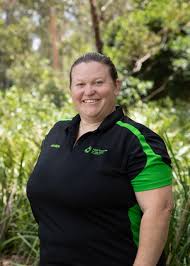
Article by
Amanda Palmer
Amanda Palmer is the founder and CEO of ASAP Solutions, which offers a full suite of financial services, focusing on NDIS Plan Management, Business Tax Accounting and Advisory.
Amanda builds close working relationships with her clients and their families and assists them to effectively manage their financials. She tries to eliminate client roadblocks, frustrations and confusions by making processes as effective as possible and is constantly working for the best outcome for her clients.
Disclaimer
“The information on this website is general in nature and is provided for information purposes only. It is not legal, financial or professional advice. You should obtain specific, independent advice relevant to your circumstances.”