



Last July, a project manager in Newstead discovered they had missed out on A$1,450 in deductions simply because they found the ATO’s 67 cents per hour rule too confusing to track. If you’re a Brisbane professional, you probably agree that managing home office expenses feels more like a chore than a benefit. Between rising energy costs in Queensland and the fear of an audit, it’s easy to let valid claims slip through the cracks. We understand that you’d rather focus on your career than deciphering complex tax jargon or drowning in a sea of receipts.
This guide will help you master the latest 2026 rules and maximize your tax return without the typical accounting headache. We’ll show you exactly how to simplify your record keeping using modern tech tools that do the heavy lifting for you. You’ll gain a clear understanding of the current deduction methods and the confidence to claim every cent you’re legally entitled to. Let’s turn your home office overheads into a stress-free win for your hip pocket.
Key Takeaways
- Understand the three golden ATO rules to ensure every claim you make is valid and stress-free.
- Compare the 2026 Fixed Rate of A$0.67 per hour against the Actual Cost method to find the biggest win for your home office expenses.
- Discover how to ditch the “shoebox of receipts” and automate your records using simple, tech-savvy tools like Xero and MYOB.
- Learn if the extra paperwork of the Actual Cost method is truly worth the effort for your specific professional work schedule.
- Find out how working with an IPA member like Amanda Palmer can turn tax season from a headache into an empowering experience.
What Are Home Office Expenses and Who Can Claim Them in 2026?
Home office expenses are the additional running costs you pay to do your job from home. These aren’t your basic living costs, but the extra money you spend on things like electricity, internet, and stationery to keep your work day moving. Whether you are operating a Small office/home office (SOHO) or just have a desk in the corner of your guest room, understanding what you can claim helps keep your finances in check without the stress.
The ATO follows three golden rules for any claim. First, you must have already spent the money yourself. Second, the expense must be directly related to earning your income. Third, you must have records to prove it. If your employer pays for your internet or provides you with a laptop, you can’t claim those items. We want you to feel empowered when tax time rolls around, so keeping a simple log of your hours and receipts is the best way to stay prepared.
Eligibility in 2026 depends on your specific setup. Brisbane employees who work remotely part-time or full-time can generally claim running costs. However, checking emails on the couch or taking a quick call while making lunch doesn’t count. You need to establish a dedicated workspace where you actually perform your duties. For small business owners working from a home base, the rules can be a bit more flexible, but the requirement for clear records remains the same. If you need help figuring out your specific situation, our tax services are designed to make these rules easy to understand.
The “Brisbane Factor”: Running Costs in the Sunshine State
Living in Queensland brings unique challenges for home workers. Our humid summers mean air conditioners and fans often run for eight hours straight. In 2026, running a standard 2.5kW split system air conditioner in Brisbane costs approximately A$0.55 to A$0.90 per hour depending on your energy plan. These costs add up quickly during a February heatwave. You can’t claim your entire power bill, so you must distinguish between your private use and your work-related energy consumption. Local Brisbane businesses often see higher running costs than those in cooler states, making it even more vital to track your home office expenses accurately.
What You Specifically CANNOT Claim
It’s easy to assume everything in your house becomes a tax deduction when you work from home, but that isn’t the case. You cannot claim general household items. This includes tea, coffee, milk, and snacks, even if your boss usually provides them at the office. The ATO views these as private expenses.
- Occupancy expenses: Most employees cannot claim rent, mortgage interest, or land taxes.
- Reimbursed items: If your company paid for your monitor or phone bill, you can’t claim it again.
- Equipment provided by others: Items like a company-owned laptop or a desk provided by your employer are off-limits.
We’re here to help you stay in control of your finances. By focusing on what you actually spend to get your job done, you can maximize your return while staying completely compliant with the 2026 regulations.
The Two Ways to Calculate Your Claim: 2026 Update
Deciding how to tally up your home office expenses doesn’t need to be a source of stress. For the 2026 tax year, you have two distinct paths: the Fixed Rate Method or the Actual Cost Method. While one offers simplicity, the other might provide a higher deduction if your setup is particularly power-hungry or tech-heavy. You’ll need to stick with your chosen method for the entire financial year to maintain consistency, so it’s worth weighing them up before you start your record-keeping.
Deep Dive: The Fixed Rate Method
The 2026 fixed rate is set at 70c per hour worked from home. This single figure bundles together several common costs, making your life much easier. It covers your usage of electricity and gas, home and mobile internet, data, and even your basic office stationery. You don’t need to keep every single power bill, but you must have a contemporaneous diary or logbook that tracks every hour you’ve worked. The fixed rate method is the simplest path for most Brisbane WFH professionals who want to skip the spreadsheet nightmares.
Even when using this rate, you can still claim the work-related decline in value for larger items like computers or office furniture separately. To stay on the right side of the rules, it’s a good idea to review the ATO guidelines for working from home expenses to see exactly what records you need to keep. This keeps you in control and avoids any last-minute panic come tax time.
Deep Dive: The Actual Cost Method
If you run a business with high energy demands or have a very expensive home office setup, the Actual Cost method might be your best choice. This approach requires you to calculate the exact work-related portion of every utility bill. You’ll need to work out the cost per unit of power used or the percentage of floor space your dedicated office occupies. It’s more time-consuming, but for a creative studio using high-powered servers or 3D rendering rigs, the numbers often justify the extra effort.
Under this method, you also track the depreciation of your assets in detail. This includes:
- Ergonomic chairs, standing desks, and bookshelves.
- High-end tech like dual monitors, 4K webcams, and printers.
- Specialised hardware and professional software subscriptions.
If your home office expenses are significantly higher than the 70c per hour average, this method ensures you aren’t leaving money on the table. If you’re feeling a bit overwhelmed by the math, we can help you streamline your tax strategy so you can focus on growing your business instead.
Fixed Rate vs. Actual Cost: Which Method Wins for You?
Deciding how to claim your home office expenses doesn’t have to be a source of stress. The ATO essentially offers two paths: the Fixed Rate method and the Actual Cost method. For a standard 40-hour work week, the current Fixed Rate of A$0.67 per hour results in a weekly deduction of A$26.80. Over a full year, that adds up to A$1,393.60. It’s a simple, “set and forget” approach that suits many Australians who want to keep their tax time easy.
The biggest hurdle for most people is the paperwork associated with the Actual Cost method. You might wonder if tracking every single utility bill and calculating the exact floor space of your office is worth the effort. It often comes down to your specific lifestyle and home setup. Consider these factors when choosing:
- Energy Efficiency: If you have a massive solar array in Brisbane that wipes out your power bill, the Fixed Rate is a gift. It allows you to claim a flat rate even if your actual out-of-pocket energy cost is near zero.
- High Usage: If you run powerful servers or high-cycle air conditioning during humid summer days, your actual costs might far exceed the A$0.67 hourly rate.
- Asset Value: The Fixed Rate bundles stationery and phone usage into that hourly amount. If you spend thousands on specialized gear, the Actual Cost method lets you track depreciation more precisely.
We know these numbers can feel a bit overwhelming when you’re just trying to get your work done. If you want to be certain you aren’t leaving money on the table, Contact ASAP Solutions for a personalized assessment of your WFH situation. We’ll help you look at the data so you can feel confident in your choice.
Scenario A: The Hybrid Employee
If you’re working 2-3 days from home and the rest in a Brisbane CBD office, the Fixed Rate method is usually your best friend. It offers a fantastic effort-to-reward ratio. Since you’re not home full-time, your actual utility increase is often lower than the flat rate the ATO allows. To keep things simple, you don’t need to save every receipt for high-speed internet or your mobile plan. You just need a representative four-week diary or a consistent record of your hours to justify the claim.
Scenario B: The Full-Time Home-Based Business
Growth-minded business owners should look closer at the Actual Cost method. When your home is your primary headquarters, your home office expenses scale differently. You might have an A$8,000 tech setup, specialized ergonomic furniture, and high-grade security systems. The Actual Cost method allows you to claim the specific depreciation on these expensive assets, which often results in a significantly higher tax benefit than the bundled fixed rate. Check our Tax Services page for business-specific advice on managing these complex deductions without the headache.
Record Keeping Without the Headache: Tech-Savvy Tips
The days of the dusty shoebox full of faded thermal paper are officially over. In 2026, the ATO expects a higher standard of digital readiness, but that doesn’t mean your life has to get harder. Moving to a digital-first approach for your home office expenses actually gives you hours of your life back. It’s about working smarter, not harder, so you can focus on growing your business while we handle the compliance side of things.
Using technology to track your claims provides a clear audit trail that keeps you safe. If the ATO asks questions, you won’t be scrambling through drawers. Instead, you’ll have a clean, organized cloud folder or a software dashboard ready to go. This shift reduces the stress of tax time and ensures you never miss a legitimate deduction because a receipt went missing in the wash.
Leveraging Xero for WFH Tracking
Xero is a powerhouse for managing your work-from-home life. You can set up specific tracking categories for your home office utilities, which makes it easy to separate your personal spending from your business-related costs. When you pay your A$250 electricity bill, you can instantly assign the work-related portion to its own category. This gives you a real-time view of what you’re spending and what you’ll be claiming later.
We love using Hubdoc alongside Xero to simplify the process. You just snap a photo of your stationery or tech receipts on your phone, and Hubdoc extracts the data and pushes it straight into Xero. It’s fast, accurate, and means you can throw the physical receipt away immediately. Learn how our Accountant for Small Business services integrate with Xero to keep your records spotless.
What a “Valid Record” Actually Looks Like in 2026
The ATO has moved firmly toward digital evidence. A bank statement isn’t enough on its own; you need a document that shows the supplier, the amount, the date, and the nature of the goods. For home office expenses, this means keeping the actual tax invoice. If you’re claiming phone and internet data, you must document your work-related percentage. A simple way to do this is by keeping a 4-week representative diary once per year to establish your usage patterns.
- Digital Folders: Save PDF invoices directly into a cloud folder labeled by financial year.
- ATO MyDeductions: This app is a great free tool for capturing small expenses on the go.
- The 5-Year Rule: You must keep these records for 5 years from the date you lodge your return.
- Data Logs: Keep a log of your work hours to support the fixed-rate method claims.
Staying organized doesn’t have to be a full-time job. By spending five minutes a week updating your digital records, you’ll stay in total control of your finances without the usual end-of-year headache. Our team is here to help you set up these systems so they run on autopilot.
Ready to simplify your record keeping? Explore our tax services to see how we make your WFH claims stress-free.
Stress-Free Tax Returns with ASAP Solutions
Tax season doesn’t have to feel like a looming deadline you’re dreading. Amanda Palmer and the team at ASAP Solutions believe that understanding your 2026 tax return should feel empowering, not confusing. We’ve seen how the right support transforms financial anxiety into confidence. As an IPA (Insolvency Practitioners Association) member, Amanda brings a unique perspective on business resilience that goes beyond simple bookkeeping. She understands how to build a foundation that withstands economic shifts, ensuring your business stays strong for the long haul.
Professional oversight is about more than just filling out forms. It’s about protection. The ATO has increased its scrutiny on home office expenses by 15% over the last three years, using advanced data-matching technology to spot inconsistencies. Our team prevents these “red flags” by ensuring every claim is backed by the correct 2026 documentation. We work to maximize your legal entitlements so you don’t leave money on the table, all while keeping you safely within the rules.
Not Your Normal Brisbane Accountant
We’ve built our reputation on being different. Our focus is on clear, straightforward communication that skips the stuffy “accountant-speak.” You won’t find any confusing jargon here. Check out About ASAP Solutions to see how our mission revolves around keeping you in control of your financial future. We handle the complex calculations and lodgements so you can focus on what you do best: growing your Brisbane business. Whether you are a solo freelancer or managing a small team, we make sure the numbers make sense to you.
Beyond the Home Office
While getting your home office expenses right is a priority, we look at your whole financial picture to find every available saving. Don’t forget to track your Work-Related Car Expenses, as these often provide significant offsets for mobile professionals in Queensland. Our support also extends to NDIS plan management, where we provide holistic financial assistance to help families stay organized without the administrative headache. Tax doesn’t have to be scary when you have a partner who cares about your success as much as you do.
Ready to take the weight off your shoulders? Book an appointment today to get your 2026 tax return sorted without the stress.
Take Charge of Your 2026 Tax Season Today
Claiming your home office expenses doesn’t have to be a headache. By choosing the right calculation method and keeping digital records through Xero or MYOB, you’ll stay in total control of your finances. You’ve worked hard this year; it’s only right that you claim every cent you’re entitled to without the fear of an audit. Our team focuses on making the complex feel simple, ensuring you understand exactly where your money goes.
As a Brisbane-local firm led by Amanda Palmer, an expert IPA member, we provide the specific guidance professionals need to thrive. We’re Xero and MYOB certified specialists who believe in straightforward advice without the confusing jargon. We handle the numbers, so you can focus on growing your career or business. Don’t let another tax deadline create unnecessary stress in your life.
Ready to simplify your return? Get Your Stress-Free Tax Assessment with ASAP Solutions. It’s time to feel confident about your tax position and enjoy the peace of mind you deserve.
Frequently Asked Questions
Can I claim my home office furniture all at once?
You can claim the full cost of home office furniture immediately if the item costs A$300 or less. For items like ergonomic chairs or desks that exceed this A$300 threshold, you must claim the decline in value over several years according to ATO effective life tables. This helps you manage your home office expenses by reflecting the actual wear and tear of your equipment.
How do I calculate my internet usage for a home office claim?
You calculate your internet claim by determining the percentage of your data used specifically for work purposes. If you use the actual cost method, you need a diary covering a representative four-week period to show your work-related use versus private use. Alternatively, the 2026 fixed rate of 67 cents per hour already includes internet, making the process much simpler and reducing your record-keeping stress.
What happens if I work from home but don’t have a dedicated office room?
You can still claim home office expenses even if you work from a dining table or a shared living space. The ATO rules for 2026 allow you to claim for the hours you spend working in these areas, provided you aren’t just checking emails while watching TV. You just need to keep an accurate record of your start and finish times to prove you were actually performing work duties.
Can I claim home office expenses if I am a casual employee in Brisbane?
Yes, casual employees in Brisbane have the same rights to claim work-related costs as full-time staff. As long as you aren’t being reimbursed by your employer, you can deduct expenses like phone usage and equipment depreciation. This applies whether you’re working in a suburban home or a modern apartment, provided you have the records to back up your claim. At ASAP Solutions, Amanda and the team ensure you stay in control.
Is mortgage interest a deductible home office expense in 2026?
Mortgage interest is generally not deductible for employees who simply work from home. These are considered occupancy costs and the ATO usually restricts these claims to business owners whose home is their primary place of business. Claiming these can also trigger Capital Gains Tax (CGT) issues when you sell your home, so it’s usually best to focus on running costs to keep things simple and stress-free.
How do I track my hours for the Fixed Rate method without a spreadsheet?
You can track your hours using a simple paper diary, a digital calendar, or a time-tracking app instead of a complex spreadsheet. The ATO requires a record of every single hour worked from 1 July 2025 to 30 June 2026 to use the fixed rate method. Using an app like Toggl or even your Outlook calendar makes this a breeze and keeps you in control of your finances without the headache.
What is the “representative four-week period” and do I still need it?
A representative four-week period is a 28-day diary record that shows your typical work patterns to justify your usage percentages. While the fixed rate method doesn’t require this, you still need it if you choose the actual cost method for phone or internet in 2026. Keeping this log for four weeks allows you to apply that percentage to the entire year without recording every single minute of your day.
Can I claim the cost of my air conditioning repair as a WFH expense?
You can claim a portion of a repair if the air conditioning unit is located in your dedicated work area. If the unit cools your entire house, you must calculate the repair cost based on the floor space of your office compared to the rest of the home. Repairs to general household items are usually private, but Amanda, our resident IPA, can help you find the right balance to stay compliant.
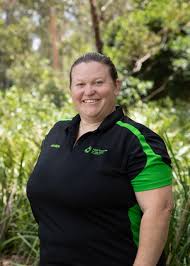
Article by
Amanda Palmer
Amanda Palmer is the founder and CEO of ASAP Solutions, which offers a full suite of financial services, focusing on NDIS Plan Management, Business Tax Accounting and Advisory.
Amanda builds close working relationships with her clients and their families and assists them to effectively manage their financials. She tries to eliminate client roadblocks, frustrations and confusions by making processes as effective as possible and is constantly working for the best outcome for her clients.
Disclaimer
“The information on this website is general in nature and is provided for information purposes only. It is not legal, financial or professional advice. You should obtain specific, independent advice relevant to your circumstances.”