


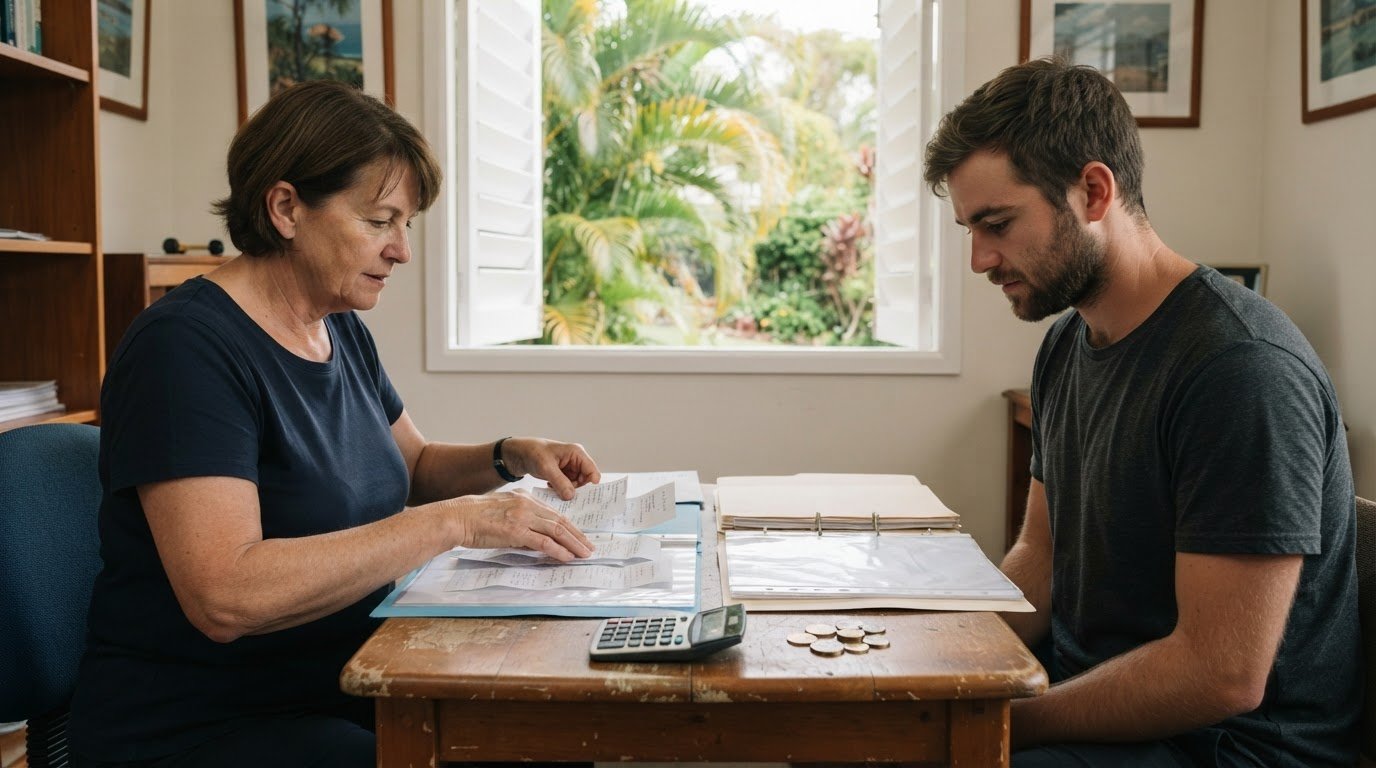
For remaining individuals lodging through a registered tax agent, the stated tax return lodgment deadline is 17 May 2027. An individual tax return in Brisbane can involve more than entering income figures: you’ll need to bring together relevant income, expense and deduction records so the return reflects your circumstances.
It’s understandable to wonder whether paying a tax agent is worthwhile, especially when you’re also trying to keep your personal and business finances organised. Whether an agent’s fee may be deductible is one practical question this guide explains, along with what to prepare and how personal and business tax accounting can fit together.
This guide covers the information that can shape your return, the factors that affect preparation fees, and ATO compliance. You’ll learn what to gather, what to consider and how personal tax support can fit alongside business accounting.
Key Takeaways
- Learn which income, expense and deduction records can help make tax return preparation more straightforward.
- Understand when an agent’s fee may be deductible and what to consider before claiming it.
- See how organising personal and business records together can support clearer tax reporting.
- According to the Australian Taxation Office, the due date to lodge your tax return is 31 October, and most refunds issue within 2 weeks.
Individual tax return preparation and ATO compliance
Preparing an individual tax return in Brisbane means gathering income and deduction records, checking the details and lodging with the ATO. Online preparation can include a professional review before lodgement, helping identify missing information.
In-Office Return Preparation
At a Brisbane office, you can drop off tax documents and return when the completed return is ready to sign. This works well if you prefer discussing records face to face. Sort income statements, expense evidence and details of other income before your appointment. Personal and company returns cover different taxpayers, even when one person manages both. See Brisbane tax preparation for details relevant to your return.
Individual Return Clients
Individual returns can cover straightforward salary income or more involved personal tax circumstances. The firm says it directly takes on individual tax return clients with income above $250k. Online preparation provides another way to share documents and receive professional checking. Before review, compare your income details with statements and group expense records by category. That gives the preparer a clearer view of your situation.
Lodgement Eligibility and Exemptions
Whether you need to lodge depends on your income and personal circumstances, not simply your Brisbane address. If you’re unsure whether to lodge or submit a non-lodgment notification, gather your income details and relevant ATO correspondence. This helps clarify the right outcome and keeps your records together.
Lodgement Deadlines and Late Penalties
For the 2025-26 income year, the Australian Taxation Office sets 31 October 2026 as the lodgment due date. Remaining individuals lodging through a registered tax agent have a stated deadline of 17 May 2027. Late lodgement can result in a failure-to-lodge penalty. If you’ve missed a deadline, prepare the relevant records and lodge as soon as possible; respond promptly to any ATO notice.
Can I claim your fee as a deduction?
A tax agent’s fee may be deductible when it relates to managing your tax affairs. The type of work matters: preparing a tax return is different from unrelated personal or business services. Keep an itemised invoice so you can identify the work related to your return.
There isn’t one standard charge for an individual tax return in Brisbane. The price depends on the case and is given after a quote request; income types, investment records, deductions and extra schedules can affect the work involved.
A refund and a fee are separate parts of your tax return. If your fee is taken from a refund, that explains how payment is handled, not whether the fee qualifies as a deduction. Check the invoice and service details rather than treating the refund amount as evidence.
Prepare a checklist of documents before your tax agent reviews your return:
- Income statements and details of other income, such as interest or rental income.
- Receipts and records for work-related expenses you plan to claim.
- Donation receipts, investment statements and records supporting other deductions.
- Last year’s return and any relevant ATO correspondence.
A receipt can support an expense, but the expense must also relate to earning your income. Match each claim to its record and note its work-related purpose. Clear records help your agent assess the claim and prepare a return that reflects your documents.
During an income and deduction review, compare each income source with its statement, then check claimed expenses against supporting records. I highly recommend grouping documents by category before review. This makes gaps easier to spot and helps distinguish tax-return work from other services on an invoice.
If you want help organising personal return documents, explore personal tax return support and prepare your records for review.
Individual and business tax accounting
Personal and business finances may overlap, but their records serve different purposes. Keep personal income, business transactions and supporting documents separate. This gives your accountant a clearer basis for reporting income, reviewing deductions and preparing tax information. If you draw income from a company, track both business records and personal income documents.
The Australian Taxation Office says the due date to lodge your tax return is 31 October, and most refunds issue within 2 weeks. Individuals whose latest tax return resulted in a liability of $20,000 or more have a stated lodgment deadline of 31 March 2027. Check which deadline applies to the return being prepared.
Bookkeeping keeps a clear record of sales, expenses and payments. Software such as Xero or MYOB can help organise transactions, while regular reviews can catch missing entries. For example, match bank transactions to invoices and receipts before preparing business tax records. Keep personal purchases out of business accounts and record the business purpose of claimed expenses.
- Separate personal income records from business sales and expenses.
- Match transactions to invoices, receipts and bank records.
- Review deductions against the evidence supporting each expense.
- Keep superannuation records with the relevant personal or business documents.
For work-related motor vehicle expenses, the available methods include up to 5,000km or actual expenses calculated using a logbook percentage. Choose records that support the method used. Business owners should also keep bookkeeping current through the year, rather than trying to rebuild transaction histories at tax time.
SMSF accounting and tax involve records for the fund, separate from an individual’s everyday finances. Keep fund income, expenses and transaction documents together as a separate set. This helps distinguish personal tax reporting from fund reporting. Mixing fund transactions with household spending can make both accounting tasks harder to follow.
Personal tax accounting in Brisbane
Personal tax planning works best when your records reflect your actual circumstances. For your individual tax return in Brisbane, organise documents by income source and expense type, then note any changes that may affect your claims. This makes the return easier to review and keeps your records useful after lodgement.
Personal Tax Accounting Support
Start with records showing how each claim relates to earning income. For work-from-home claims, the ATO wants actual hours worked at home throughout the year, rather than an estimate. Keep a diary or another clear record as you go, then compare it with your work pattern before preparing your return.
Some less obvious items also need careful records. Gifts and donations over A$2 are deductible only when made to deductible gift recipients. Every cryptocurrency disposal is a capital gains tax event, so retain transaction details when you sell, exchange or otherwise dispose of crypto. For work travel, keep a travel diary when you’re away for six nights or more. These records help explain the amount and purpose of each claim.
Finding a Registered Tax Agent
To find a registered tax agent in Brisbane, search the official register by practitioner name or location. Discuss how they handle your circumstances, such as employment income, investments, work travel or cryptocurrency records. Ask what documents they need and how they review claims so you understand the process before it begins.
For an individual tax return in Brisbane, choose support that suits the complexity of your records and the questions you need answered. Someone with several income sources may need a different review from someone with salary income alone. Group your documents and note key changes before your discussion. This gives your agent a practical starting point for preparing your return and discussing tax planning.
To discuss personal tax preparation, explore personal tax return support and bring your income records and deduction evidence together for review.
ASAP Solutions: Business Tax Services
ASAP Solutions helps bring personal and business tax tasks into clearer focus. Its Personal Tax Returns service helps individuals prepare and review their returns. Business owners can use Business Tax Services for business tax needs, while Bookkeeping & Payroll helps organise financial records and pay processes. NDIS participants can also access NDIS Plan Management.
Consider getting support when personal income and business records overlap, your bookkeeping needs attention, or you want a clearer process for tax time. Organised records can make it easier to focus on running your business and planning next steps. Choose support that matches the task, whether you need an individual return or help with ongoing business records.
To discuss what you need, contact ASAP Solutions.
Make your next tax step count
Your next tax season can feel more manageable when record-keeping becomes part of your routine. Set aside a place for income documents and receipts, and note questions as they come up. You’ll have a useful starting point for your next return instead of having to reconstruct details later.
If you need an individual tax return in Brisbane, choose support that fits how your personal and work finances connect. ASAP Solutions offers Personal Tax Returns, Business Tax Services, Bookkeeping & Payroll, and NDIS Plan Management.
Before speaking with an accounting professional, gather the records you have, note income sources or changes at work, and write down your questions. This helps keep the conversation focused on your priorities, whether you’re preparing a personal return or organising business records.
Take the next step when you’re ready. Contact ASAP Solutions today to discuss your accounting needs and find a practical way forward.
Frequently Asked Questions
Can I still lodge a return if I missed a previous year?
Yes, you can still lodge an outstanding return for an earlier income year. List the missing years, then gather income statements and receipts separately for each one. Keep any ATO letters with the matching year, as a notice may relate to a specific return. If details are incomplete, identify what’s missing before preparing that year’s return rather than combining records from different years.
Do you offer support after the return is lodged?
ASAP Solutions prepares and files personal tax returns. After lodgement, keep a copy of the submitted return with the ATO Notice of Assessment. If the ATO contacts you, note the return year and issue raised, then gather the relevant records. This gives any follow-up discussion a clear starting point and helps keep each year’s details distinct.
Need Expert Tax Help?
ASAP Solutions prepares and files personal tax returns with clear communication. If you’re in Brisbane, Forest Lake, Heathwood, Pallara or Inala, gather your tax records and questions before getting in touch. If you also run a small business, note where personal and business transactions overlap. This helps focus the conversation on the accounting support that fits your circumstances.
What documents do I need to provide?
Before an appointment, gather your previous return, any ATO notices and a list of changes since you last lodged, such as a new job or rental arrangement. Add relevant income statements, bank interest summaries, private health insurance details and receipts for expenses you want reviewed. If a document is missing, note the provider and income type so you can follow it up.
What documents and information do I need for an Australian individual tax return?
Alongside your documents, prepare details that explain your circumstances for the income year. Note changes to employment, study, dependants, investments or rental arrangements, and include relevant statements or sale records. Group records by source, such as employment, bank accounts and investments. A brief note about a change can help connect a document to the right income or expense.
Which work-related expenses can Brisbane taxpayers claim as deductions?
Categories to review include equipment used for your duties, required protective clothing, work travel, and the work-use share of phone or internet costs. For each expense, record its purpose, date and amount, and explain how it relates to your role. Separate personal use from work use. Your occupation and supporting records help determine which expenses belong in your tax return.
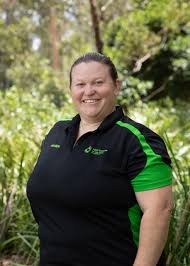
Article by
Amanda Palmer
Amanda Palmer is the founder and CEO of ASAP Solutions, which offers a full suite of financial services, focusing on NDIS Plan Management, Business Tax Accounting and Advisory.
Amanda builds close working relationships with her clients and their families and assists them to effectively manage their financials. She tries to eliminate client roadblocks, frustrations and confusions by making processes as effective as possible and is constantly working for the best outcome for her clients.
Disclaimer
“The information on this website is general in nature and is provided for information purposes only. It is not legal, financial or professional advice. You should obtain specific, independent advice relevant to your circumstances.”