



The cost of small business bookkeeping in Brisbane depends on your business size, transaction volume and the tasks you need covered. There is no single fee that suits every business; the cost is provided after a quote request.
It’s understandable to want a clear figure before deciding what support you need. The workload can vary widely, from keeping records up to date to managing supplier payments, customer invoices, payroll and regular reporting.
This guide explains what affects bookkeeping costs and which services may be included. You’ll also learn how payment tracking, bank reconciliations and financial reports can give you a clearer view of cash flow and more time to run your business.
Key Takeaways
- Bookkeeping costs depend on your business’s transaction volume and the tasks you need covered, so define the support you need before requesting a quote.
- Well-managed invoices and supplier payments can make cash flow easier to track and help keep payment records organised.
- Regular bank reconciliations and reports give you a clearer picture of your business finances and support better decisions.
- Choose a level of bookkeeping support that fits your current workload, then adjust it as your business needs change.
Accounts payable and receivable
Accounts payable tracks what your business owes suppliers; accounts receivable tracks what customers owe you. A reliable process records each invoice, due date and payment status in your accounting system. For example, matching a supplier invoice to its bank payment shows whether it has been settled or remains outstanding. A monthly review can also reveal overdue customer invoices, giving you time to follow up and plan cash flow.
Supplier reconciliation means comparing supplier statements with your bills and payments. If a statement lists an invoice you can’t find in your records, investigate the difference before paying. A bookkeeping team can organise bills by due date, record payments and flag missing paperwork. This gives you a clearer view of upcoming commitments and helps keep supplier records tidy.
Payroll is another regular payment process. From 1 July 2026, employers must ensure super reaches employees’ funds within seven business days of each payday, according to the Australian Taxation Office. Since 1 November 2021, employers must ask the ATO whether a new employee has a stapled super fund if the employee doesn’t choose a fund. These regulations make accurate employee details and timely payroll records important parts of payment administration.
What qualifications and registrations should a bookkeeper for small business bookkeeping brisbane have? Look for relevant bookkeeping training, experience with accounting software and familiarity with your industry. The Tax Practitioners Board maintains a public register of BAS Agents, which can help you identify registered support when BAS services are needed.
A dedicated accounting team at ASAP Solutions can provide ongoing support by managing invoices, supplier payments and payroll records through a consistent process across the local region. Remote and on-site accounting services can support businesses throughout Brisbane using digital records and shared accounting systems. Start by agreeing on which tasks the team handles, how often records are updated and when you receive a summary. Clear responsibilities help keep the process aligned with your business needs.
Bank reconciliation and financial reporting
Bank reconciliation compares recorded transactions with bank statements to identify missing or incorrect entries. Update your bookkeeping records weekly or at least monthly to keep your financial information clear and current.
Bank account reconciliation
To reconcile an account, match each transaction in your accounting records with the corresponding bank statement entry. Then investigate unmatched items, such as a supplier payment entered twice or a customer deposit missing from the books. Regular reconciliation keeps records current and gives you a more dependable view of available funds. The right frequency depends on transaction volume; weekly or monthly updates can prevent a backlog.
Monthly financial and management reports
Monthly financial reports bring recorded income and expenses together, while management reporting explains what the figures mean for everyday decisions. For example, you can check whether supplier costs rose while sales stayed steady. A useful reporting process shows the period covered, the main changes and any records needing attention. Clear reports also give your tax agent organised information instead of scattered transactions.
Cash-flow and performance reporting
Cash-flow reporting sets out expected money coming in and going out, helping you spot a tight period before it arrives. For example, if you’re waiting for a customer payment, compare its due date with upcoming supplier bills. Performance reporting can highlight patterns such as repeated late payments or rising operating costs. Use these findings to plan follow-ups, review spending and discuss practical next steps with your accounting partner. Consistent reporting turns records into useful decisions.
Scalable bookkeeping support for small and medium-sized businesses
Bookkeeping support can grow as your transactions, staff and reporting needs change. Match the arrangement to your workload, software and tax-time priorities.
BAS, IAS and GST support
Bookkeeping support can organise transactions, categorise income and expenses, and prepare clear records for BAS, IAS and GST reporting. The right process depends on your business activity and the records available. For example, you can group sales and purchases in Xero, then review uncategorised transactions before preparing a reporting period. Make sure the work fits your existing records and accounting software.
Choosing and preparing for a bookkeeper
How do I choose a Brisbane bookkeeper for my small business? Look for relevant experience, clear communication, familiarity with your industry and software, and fees that match the work. Before getting started, gather recent bank statements, sales and supplier invoices, payroll details and access to your accounting software. These records give your bookkeeper a practical view of the tasks involved.
For Xero, support may include help organising accounts and training on routine tasks, such as entering bills. Tax-time preparation is easier when records are current and key documents are organised for your tax agent. Part-time arrangements typically offer better value for businesses needing 15 or more hours of bookkeeping per week. Smaller workloads may suit scheduled support instead.
Record-keeping requirements and bookkeeping risks
What are the ATO bookkeeping and record-keeping requirements for Australian small businesses? Keep records that explain business income and expenses, including invoices, receipts, bank transactions and payroll records. Organised source documents make it easier to support reporting and prepare for tax time.
What are the risks of poor bookkeeping for a small business in Queensland? Missing invoices, duplicate entries or incomplete payroll records can make reports unreliable and tax preparation harder. For example, an uncategorised supplier bill can distort your expenses and leave you unsure about available cash. Regular reviews help identify gaps while transaction details are still easy to access.
Bookkeeping services for small businesses
Useful bookkeeping services cover the recurring records that support sound business decisions. A practical setup can record sales and expenses, organise supporting documents, track invoices and prepare payroll information. For example, a retailer may need daily sales recorded, while a consultant may focus on client invoices and project expenses. The right mix depends on transaction volume, staffing and reporting needs.
Start by mapping each task from source document to finished record. A supplier bill arrives, is categorised and then appears in the relevant accounting report. A customer payment should be matched to its invoice so outstanding balances stay visible. This clear workflow helps prevent missing documents and shows which bookkeeping tasks need regular attention.
Some businesses need help with specific tasks; others benefit from ongoing support. A tailored arrangement can cover transaction entry, payroll records, supplier bills or end-of-year reports. Small business bookkeeping in Brisbane can adapt as your business hires staff or adds sales channels. Agreeing on who handles each task keeps work moving without duplicated effort.
Update records weekly or at least monthly to maintain a useful view of your finances. The best rhythm depends on how often transactions occur and how quickly you need current figures. A business with frequent sales may need regular entries, while a lower-volume operation may manage with a monthly routine. Consistent records also make it easier to prepare documents for tax time.
Useful expertise includes accounting software knowledge, clear communication and an understanding of your business. Your bookkeeper should explain what they record, how they handle payroll details and which reports they prepare. Brisbane businesses can also consider whether remote support suits their records and communication preferences, and whether the arrangement can change as needs evolve.
To discuss bookkeeping support that fits your business, get in touch with our team.
ASAP Solutions: Business Tax Services
ASAP Solutions supports business owners who want their bookkeeping and tax work managed with clear coordination. Our Bookkeeping & Payroll service helps keep financial records organised, while Business Tax Services supports your business tax needs. This can be useful when record-keeping takes time away from running your business or tax preparation is difficult to manage alongside daily work.
For example, your business may need consistent bookkeeping throughout the year and support preparing for tax time. Coordinating these needs can help keep information organised for the next step. Contact ASAP Solutions to discuss the support that fits your business.
Set your next bookkeeping priority
Choose one financial task you’d like to make easier, such as keeping clearer records for planning or reducing interruptions from administration. That priority can guide the support you need now and give you a useful point to revisit as your business changes. For small business bookkeeping in Brisbane, outline the tasks taking most of your time and the information you need to make business decisions.
ASAP Solutions offers Bookkeeping & Payroll, Business Tax Services and NDIS Plan Management. These services cover different needs, from day-to-day business records and payroll to business tax and NDIS plan management. The right starting point depends on the task you need help with.
Share your priorities and discuss what support may suit your business. Contact ASAP Solutions today to take the next step with clarity and confidence.
Frequently Asked Questions
How much does bookkeeping cost?
The price depends on the work involved and is provided after a quote request. Cost factors include transaction volume, payroll needs, reporting frequency and whether records need organising before regular bookkeeping begins. For example, a business with few monthly transactions may need a different level of support from a growing business with staff and frequent supplier bills.
What’s the difference between on-site and remote bookkeeping in Brisbane?
On-site bookkeeping involves working with records at your business premises, while remote bookkeeping uses digital records and online communication. A Brisbane café might prefer support reviewing paperwork at its premises, while a consultant could share invoices and bank records through cloud accounting software. Your choice depends on how you store documents, the tasks involved and how you prefer to communicate.
Are there extra charges for BAS lodgements or other services?
Whether BAS lodgements or other tasks are charged separately depends on the agreed scope of work. A quote should make clear which bookkeeping tasks are included and whether BAS preparation, payroll or catch-up work is outside that scope. For example, if you need routine transaction entry and BAS support, both tasks should be clearly described before work begins.
Can I do my bookkeeping myself?
Yes, you can manage your own bookkeeping if you have the time and can keep records organised. Using Xero or MYOB, you can enter sales, attach receipts and match transactions to bank activity. As staff, suppliers or sales channels increase, the work may take more time. You can also manage routine records yourself and arrange support for specific tasks.
Can you help with overdue or messy bookkeeping in Brisbane?
Yes, bookkeeping support can help bring overdue records up to date. The work may start with gathering bank statements, invoices, receipts and payroll information, then sorting entries into the correct periods and identifying missing documents. For example, a business with several months of unentered supplier bills can work through the backlog before returning to a regular record-keeping routine.
What bookkeeping services do small businesses in Brisbane need?
Most businesses need support that matches their transactions and staffing. A sole trader may focus on income, expenses and invoices, while a business with employees may also need help organising payroll records and supplier payments. A retailer may need sales from several payment methods recorded consistently. Choose tasks based on where errors or delays occur, then adjust the support as your business changes.
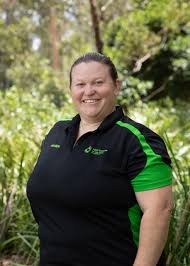
Article by
Amanda Palmer
Amanda Palmer is the founder and CEO of ASAP Solutions, which offers a full suite of financial services, focusing on NDIS Plan Management, Business Tax Accounting and Advisory.
Amanda builds close working relationships with her clients and their families and assists them to effectively manage their financials. She tries to eliminate client roadblocks, frustrations and confusions by making processes as effective as possible and is constantly working for the best outcome for her clients.
Disclaimer
“The information on this website is general in nature and is provided for information purposes only. It is not legal, financial or professional advice. You should obtain specific, independent advice relevant to your circumstances.”