



Will taking money from super mean an unexpected tax bill? The answer depends on your circumstances. Tax on superannuation withdrawals can vary with your age, whether your fund is taxed or untaxed, and whether you take a lump sum or an income stream.
It makes sense to seek clear answers before accessing savings you’ve built over time. In 2026, people aged 60 and over generally pay no tax on withdrawals from a taxed super fund. However, access rules and other fund types can change what applies. Reaching age 60 alone doesn’t automatically mean you can withdraw.
This guide covers the main factors that affect tax and what to confirm with your super fund before choosing a payment. Check your access eligibility, fund type, benefit components and payment options first. If you’re unsure how a withdrawal may affect your tax return, a tax professional can help you understand the reporting implications. For decisions about whether or how to withdraw, seek qualified financial advice.
Key Takeaways
- Tax on superannuation withdrawals can vary with your circumstances and the type of benefit, so check the details before choosing how to access your money.
- Compare lump sum and income stream options, and ask your fund how your benefit’s components may affect its tax treatment.
- Before withdrawing, confirm your access eligibility and request written information from your fund about the proposed payment and any tax withholding.
- For questions about how a withdrawal affects your tax return, a personal tax professional can clarify your next steps without making investment recommendations.
Tax on superannuation withdrawals: what determines whether tax applies?
Tax treatment depends on your circumstances and the super benefit you withdraw. A withdrawal is money paid out of your super fund, either as a one-off lump sum or through regular payments. Whether you can access your super and how a payment is taxed are separate questions, so check both before deciding.
Tax on superannuation withdrawals can depend on your age, payment type, fund rules and the components of your benefit. ATO guidance explains general rules, but your specific outcome depends on your own details.
Which details can change the tax treatment?
Ask your fund how it classifies the proposed payment. A taxed fund generally pays tax on contributions or earnings within the fund. An untaxed fund can be subject to different tax rules. Your benefit may also include taxable and tax-free components. These terms describe different aspects of your super, so ask your fund to explain how each applies to the payment you’re considering.
Age and payment type matter too. A lump sum and an income stream may be treated differently, and the rules can vary with your circumstances. For an overview of how tax can apply at different stages, see Taxation of superannuation in Australia. Check current ATO guidance and confirm your fund’s details before relying on a general explanation.
Why there is no single answer for every withdrawal
A general guide can help you ask better questions, but it can’t calculate your tax outcome. You’ll need information about the payment, fund and your circumstances. If you have questions about your personal tax position, ASAP Solutions’ Australian tax support page explains its personal tax services.
Your withdrawal’s tax treatment depends on your age, payment type, fund and benefit components, so confirm each detail before accessing your money.
How age, lump sums, income streams, and fund components can affect tax
Super withdrawals aren’t automatically tax-free or automatically taxable. Your age, the form of payment and your fund’s components all matter. For an overview of how super withdrawals are taxed, check Moneysmart’s Australian Government guidance and confirm how the rules apply to your benefit.
Lump sum or regular income: what should readers compare?
A lump sum is a one-off payment from your super. An income stream pays money out in regular instalments. The table below is a general guide, not a personal tax calculation. Because current ATO treatment can depend on your age, fund and benefit components, ask your fund to explain how it would classify the specific payment before choosing an option.
| Payment type | What to check |
|---|---|
| Lump sum | Ask how the taxable and tax-free components will be treated for your age and fund type under current ATO rules. |
| Income stream | Ask how each payment will be treated, including whether the benefit includes a taxed or untaxed element. ATO rules depend on your circumstances. |
Age can change the outcome. Withdrawals from taxed funds are generally tax-free for people aged 60 and over. Don’t apply that rule to every fund or payment without checking: untaxed funds can have different rules, and eligibility to access super is separate from its tax treatment.
What do taxed and untaxed components mean?
Your statement may show taxable and tax-free parts of your benefit, and your fund may identify whether it is taxed or untaxed. These labels can affect how a payment is assessed, but the details may not be obvious from a statement. Ask your fund to explain each component and, if needed, confirm the current ATO treatment with a tax professional.
If you’re unsure how a super payment may affect your tax return, ASAP Solutions’ personal tax support can help with tax-return questions, not investment or withdrawal recommendations.
Before withdrawing super, check these details and ask the right questions
Before submitting a withdrawal request, confirm the details that affect both your ability to access the money and its possible tax treatment. These are separate questions. Check current rules with the ATO and ask your fund how they apply to your situation.
- Fund: Confirm the name and type of fund, and whether it describes your benefit as coming from a taxed or untaxed source.
- Payment form: Check whether you’re requesting a lump sum, regular income payments or another option your fund offers.
- Age and access reason: Give your fund your age and explain why you’re seeking access. Ask whether you meet the relevant access requirements.
- Benefit components: Ask for a breakdown of the components in the proposed payment and how the fund expects them to be treated.
Request written information from your fund about the proposed payment, including any tax it expects to withhold. Withholding isn’t necessarily the same as your final tax outcome, so confirm what it means for your circumstances.
What information should you gather first?
Gather your latest fund statement and the fund’s written explanation of the withdrawal. Note the payment form you’re considering, your age, the reason for access and any questions about the benefit components. Avoid sharing sensitive personal details in general enquiries. Provide documents securely when a qualified professional needs them.
Before seeking tax help, gather your latest super statement, the proposed payment details and your fund’s written explanation of any withholding.
When should you speak with a tax or financial professional?
Consider tailored help if your benefit has several components, you’re comparing payment types or you’re unsure how a withdrawal may affect your tax return. A tax professional can help with tax-return implications. A financial adviser can discuss financial choices and strategy. They provide different support, so be clear about what you need.
For help with tax-return questions about a super payment, explore personal tax return support from ASAP Solutions. The service can help clarify tax matters, but not recommend whether or how you should withdraw.
Get clear tax support for a super withdrawal in Brisbane
Before acting, confirm how your fund classifies the proposed payment, check the latest Australian Taxation Office (ATO) guidance and seek personal advice if your situation needs a closer look. Tax on superannuation withdrawals can be complex, but having the relevant documents and questions ready can make the next step clearer.
What tax support can and cannot help you with
Tax support can help you understand records relevant to your tax return, what information you may need to report and which questions to clarify with your fund. ASAP Solutions prepares and lodges personal tax returns, but doesn’t provide investment advice or legal advice. For decisions about whether to withdraw or which payment option suits your broader goals, speak with a suitably qualified financial adviser.
Brisbane-area readers can learn more about personal tax services and support. ASAP Solutions also serves Forest Lake, Heathwood, Pallara and Inala. The support is focused on tax matters, not recommending a withdrawal or promising a particular tax outcome.
A calm next step for Brisbane-area readers
For a tax conversation, bring your latest super statement, the fund’s written explanation of the proposed payment and any details about tax withholding. Note what you’re unsure about, such as how the payment may affect your return or which records to keep. For fund-specific access or payment questions, contact your super fund directly and check current ATO information.
If you have questions about the tax-return side of a super withdrawal, contact ASAP Solutions to discuss personal tax support.
Take your next step with clarity
Tax on superannuation withdrawals depends on your circumstances and the details of your benefit. Before accessing your money, confirm your fund, payment type and benefit components, and ask the fund for written information about the proposed payment and any withholding. Check current ATO guidance too, keeping access requirements separate from tax questions.
If you’re unsure how a withdrawal may affect your tax return, tailored tax support can help you understand the records and reporting questions to consider. ASAP Solutions prepares and lodges personal tax returns and supports individuals and small businesses with tax services. Amanda is an Institute of Public Accountants member. The team can help with tax matters, but doesn’t provide investment or legal advice.
Have questions about the tax-return implications of a super withdrawal? Talk with our team about tax support. With clear fund information and the right support, you can approach your next steps with greater confidence.
Frequently Asked Questions
Is tax payable on every superannuation withdrawal?
No, tax isn’t payable on every super withdrawal. The result depends on factors such as your age, payment type, fund and the taxable or tax-free components of your benefit. For example, withdrawals from a taxed fund are generally tax-free for people aged 60 and over, while untaxed funds can have different rules. Check your fund’s details and current ATO guidance before relying on a general rule.
Can I withdraw super before reaching preservation age?
Usually, you can’t access super before reaching preservation age unless you meet specific early-release rules. These situations are limited, and eligibility depends on the circumstances and applicable requirements. Contact your super fund to ask whether your reason for access may qualify, and check current Australian Taxation Office guidance. Don’t assume that needing the money or stopping work automatically makes your super available.
How is a super lump sum taxed?
A lump sum is a one-off payment, and its tax treatment depends on your circumstances and the components of your benefit. Your age and whether your fund is taxed or untaxed can also affect the outcome. Ask your fund for a breakdown of the proposed payment and any expected withholding. Tax on superannuation withdrawals isn’t determined by payment size alone, so confirm current ATO guidance before acting.
Is super tax-free after age 60?
Withdrawals from a taxed super fund are generally tax-free from age 60, whether you take a lump sum or an income stream. This doesn’t mean every payment from every fund is automatically tax-free. Untaxed funds can have different rules, and accessing super also has separate eligibility requirements. Ask your fund to confirm its type and how the components of your specific benefit will be treated.
What happens if tax is withheld from my super withdrawal?
Tax withheld is an amount deducted from your payment, but it may not match your final tax position. Ask your fund why it withheld tax and request written details of the payment and amount withheld. Keep those records with your super statement for tax-return preparation. If you’re in Brisbane, Forest Lake, Heathwood, Pallara or Inala, ASAP Solutions can help with personal tax return questions, but not investment advice.
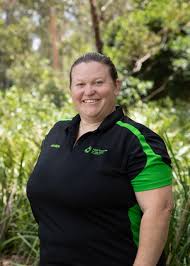
Article by
Amanda Palmer
Amanda Palmer is the founder and CEO of ASAP Solutions, which offers a full suite of financial services, focusing on NDIS Plan Management, Business Tax Accounting and Advisory.
Amanda builds close working relationships with her clients and their families and assists them to effectively manage their financials. She tries to eliminate client roadblocks, frustrations and confusions by making processes as effective as possible and is constantly working for the best outcome for her clients.
Disclaimer
“The information on this website is general in nature and is provided for information purposes only. It is not legal, financial or professional advice. You should obtain specific, independent advice relevant to your circumstances.”