



Last Tuesday, a local West End cafe owner sat at her kitchen table at 11:00 PM, surrounded by coffee-stained receipts and a nagging feeling that she’d missed a deadline. It’s a common story. If you’ve ever felt that pit in your stomach while searching for bas statement due dates, you aren’t alone. We agree that tax compliance should feel like a simple checklist, not a source of constant anxiety or a reason to lose sleep.
You deserve to spend your energy growing your Brisbane business rather than worrying about the ATO. That’s why we’ve put together this straightforward guide to the 2026 reporting cycle. We promise to give you a clear, jargon-free calendar that helps you avoid those $313 late lodgment penalties. You’re about to get a month-by-month breakdown of every key date you need to know to stay in control and keep your peace of mind. Let’s make this the year you finally stop drowning in paperwork and start focusing on what you love.
Key Takeaways
- Mark your calendar with the official 2026 bas statement due dates, including the helpful “Christmas grace period” for your Quarter 2 lodgement.
- Discover how partnering with a registered agent can grant your Brisbane business an extra four weeks to lodge, providing a significant boost to your cash flow.
- Learn to simplify your record-keeping by using modern tools like Xero and Dext to capture receipts and track bank feeds in real-time.
- Get a clear, jargon-free breakdown of your GST and PAYG obligations to ensure you stay ahead of the ATO without the usual tax-time headaches.
- Find out how working with a local Brisbane IPA expert can help you move from “spreadsheet nightmares” to total financial confidence.
Understanding Your 2026 BAS Obligations in Queensland
Let’s face it, tax obligations can feel like a mountain to climb. But they don’t have to be a source of stress. A Business Activity Statement is simply a way for your business to report and pay various taxes to the Australian Taxation Office (ATO) in one go. If you’re asking What is a Business Activity Statement?, think of it as a regular summary of your business’s tax responsibilities. It tracks several key components, including Goods and Services Tax (GST), Pay As You Go (PAYG) withholding from employee wages, and PAYG instalments, which are prepayments toward your own income tax.
Most small businesses in Brisbane only need to register for GST once their annual turnover reaches A$75,000. If your business earns less than this, registration is optional, but it might still be beneficial if you want to claim GST credits on your purchases. Once you hit that A$75,000 mark, you have exactly 21 days to register. With the Queensland economy projected to grow by 3.1% in 2026, many local startups will likely cross this threshold sooner than they expect. Staying on top of your bas statement due dates ensures you remain compliant as you scale.
Understanding the difference between your obligations is the first step toward control. GST is the 10% tax you add to your sales. PAYG withholding is the tax you keep aside from your staff’s pay to send to the ATO. PAYG instalments are different; they’re periodic payments that go toward your business’s end-of-year tax bill so you don’t get hit with a massive debt all at once. Separating these concepts helps you see exactly where your money is going.
Is Your Business a Monthly or Quarterly Reporter?
Your reporting frequency is usually dictated by your turnover. If your annual GST turnover is A$20 million or more, the ATO requires you to report monthly. For the 98% of small businesses in Queensland that fall under this limit, quarterly reporting is the standard. However, some owners choose to report monthly anyway. This can be a great strategy for managing cash flow. It prevents tax debt from building up over three months. You can easily check your current reporting cycle by logging into the ATO Online services for business portal or asking your bookkeeper to verify it for you.
The Role of GST in Your Business Health
One of the most important mindset shifts you can make is viewing GST as money held in trust. It’s not your revenue, and it’s not your profit. You’re simply a temporary custodian for the government. When you treat GST this way, your bas statement due dates become a routine check-in rather than a financial crisis. Regular lodgement provides a perfect snapshot of your profitability. If you’re consistently struggling to find the cash for your BAS, it’s a clear signal that your margins or your spending habits need a closer look.
- ✅ Open a separate high-interest savings account specifically for tax.
- ✅ Transfer 10% of every invoice you get paid into that account immediately.
- ✅ Use accounting software like Xero or MYOB to track your liabilities in real-time.
- ✅ Set calendar reminders for the 28th day following the end of each quarter.
By keeping your tax money separate from your daily operating cash, you’ll always be ready when the deadline arrives. This simple habit removes the “spreadsheet nightmare” and lets you focus on growing your Brisbane business with total confidence.
The 2026 BAS Calendar: Key Quarterly and Monthly Deadlines
Keeping track of your business cycle shouldn’t feel like a guessing game. For most small to medium businesses in Australia, the quarterly schedule is the heartbeat of their financial compliance. The Australian Taxation Office (ATO) sets these dates to keep the system moving, but they also offer a little breathing room during the busiest time of the year. Knowing your bas statement due dates in advance helps you manage your cash flow without the last-minute panic.
Here is your 2026 roadmap for quarterly lodgments:
- Quarter 2 (October – December 2025): Due 28 February 2026. This is the famous “Christmas Grace” period. While other quarters give you 28 days to lodge, this one gives you a full two months. It’s designed to help you recover from the holiday rush before settling your end-of-year accounts.
- Quarter 3 (January – March 2026): Due 28 April 2026. This deadline follows the standard 28-day rule after the quarter ends.
- Quarter 4 (April – June 2026): Due 28 July 2026. This is a vital date as it marks the final lodgment for the 2025-26 financial year.
- Quarter 1 (July – September 2026): Due 28 October 2026. This kicks off the reporting for the new financial year.
Monthly BAS Due Dates for 2026
If your business has a GST turnover of A$20 million or more, you’ll likely need to lodge monthly. This keeps your reporting tight and frequent. The rule is simple: your BAS is due on the 21st day of the following month. For example, your January activity is due by 21 February. Staying on top of these bas statement due dates ensures you avoid late lodgment penalties and keep your records crystal clear.
| Month Covered | Standard Due Date |
|---|---|
| January 2026 | 21 February 2026 |
| February 2026 | 21 March 2026 |
| March 2026 | 21 April 2026 |
| April 2026 | 21 May 2026 |
| May 2026 | 21 June 2026 |
| June 2026 | 21 July 2026 |
| July 2026 | 21 August 2026 |
| August 2026 | 21 September 2026 |
| September 2026 | 21 October 2026 |
| October 2026 | 21 November 2026 |
| November 2026 | 21 December 2026 |
| December 2026 | 21 January 2027 |
What happens if the 21st lands on a Saturday or a public holiday? Don’t stress. The ATO allows you to lodge and pay on the next business day. For instance, since 21 February 2026 is a Saturday, your actual deadline moves to Monday, 23 February. You can always check the official ATO BAS due dates to confirm specific holiday shifts for your state or territory.
The Annual GST Return Deadline
Some micro-businesses qualify for annual reporting. If your GST turnover is under the A$75,000 threshold, or A$150,000 for non-profit organisations, you might choose to lodge just once a year. If you aren’t required to lodge an income tax return, your annual GST return is due by 28 February 2027 for the 2025-26 financial year. This seems simple, but there is a catch.
Annual reporting can actually make your bookkeeping much harder. Trying to find a specific receipt from 11 months ago is a recipe for a headache. Managing 12 months of transactions in one go often leads to missed deductions, which can cost you more than the time saved by lodging once. We often suggest quarterly reporting even for small players to keep your numbers fresh and your stress levels low. If you want to make sure you’re on the right track, you can chat with our team to see which cycle suits your growth goals best.
The Agent Advantage: Getting an Extra 4 Weeks to Lodge
Most small business owners in Australia start their journey by lodging their own paperwork. You usually get 28 days after the quarter ends to get your figures in order. It’s often a stressful Sunday night scramble with a shoebox of receipts and a calculator. But there’s a much easier way to manage your bas statement due dates without the headache. When you partner with a registered BAS agent like ASAP Solutions, the ATO grants a specific lodgement and payment concession. This moves your deadline back by four weeks for almost every quarter of the year.
This extra month isn’t just a delay. It’s a powerful tool for your cash flow. If your business owes the ATO A$4,500 for the quarter, keeping that money in your business offset account for an extra 28 days can save you meaningful interest. We see this extension as a vital safety net for our busy Brisbane tradies. When you’re out on a job site in Chermside or Logan all day, the last thing you want to do is hunt for fuel tax credit details at midnight. The agent concession gives you the breathing room to focus on your craft while we ensure the numbers are spot on. Tradespeople in particular can benefit enormously from bookkeeping services for trades that handle these deadlines and keep their finances running smoothly without sacrificing their weekends.
A common myth we hear is that using an extension means you’ll end up paying more in the long run. That’s simply not true. You don’t pay extra interest or penalties for using the agent concession. It’s a formal, government-approved arrangement detailed in the Australian Taxation Office (ATO) BAS due dates guidelines. As long as you’re linked to our registered agent portal before the standard deadline, you’re automatically eligible for the extra time. Our founder, Amanda Palmer, is a qualified IPA, which means she has the expertise to manage these lodgement programs perfectly for you.
How the Concession Works in 2026
In 2026, the dates follow a predictable pattern that helps you plan your year. For the September 2026 quarter, a self-lodger must finish by October 28. Our clients don’t have to lodge or pay until November 25. The December quarter is unique. Because of the Christmas and New Year period, the ATO gives everyone until February 28, 2027. To keep your eligibility for these extensions, you must ensure your previous year’s tax returns were lodged on time. We’re Xero and MYOB experts, so we can see exactly where you stand and keep you compliant without the stress.
Why Lodging Early is Often Better Than Using the Extension
Even though the extra four weeks are available, we often encourage our growth-minded clients to lodge early. Here’s why:
- Faster Refunds: If your business is due a GST refund of A$3,000, waiting an extra month to lodge means the ATO keeps your money longer. We want that cash in your bank account, not theirs.
- Mental Clarity: Clearing the BAS off your to-do list early means you can focus on scaling your business.
- Strategic Insights: Once the data is entered, we use the remaining time to look at your profit and loss statements. We help you understand your margins rather than just racing to beat a clock.
We handle the heavy lifting of the numbers so you can stay in control of your finances. Whether you need the full extension to manage your cash flow or you want to lodge early and move on, we’re here to make it easy. You get the expertise of an IPA-qualified professional without the jargon or the typical accounting stiffness.
Stress-Proofing Your BAS with Modern Technology
Meeting your bas statement due dates shouldn’t feel like a last minute sprint. Most business owners feel a spike of anxiety when the quarter ends, but this usually happens because the data hasn’t been managed along the way. By using a few simple tech tools, you can turn a three day headache into a ten minute check. Here is how you can build a system that works for you, not against you.
Step 1: Connect your bank feeds in Xero or MYOB for real-time tracking
Waiting until the end of the quarter to type in transactions is a recipe for errors. When you link your business bank account to Xero or MYOB, every transaction flows into your software automatically. In 2024, approximately 80% of tech-enabled small businesses report saving five or more hours every month just by eliminating manual data entry. This real-time view ensures you always know exactly how much GST you owe.
Step 2: Use Hubdoc or Dext to snap photos of receipts on the go
Faded thermal paper receipts in a shoebox are a nightmare for compliance. Tools like Hubdoc or Dext allow you to take a photo of a receipt the moment you pay. The software uses optical character recognition to read the date, supplier, and GST amount. It then pushes that data straight into your accounting software. This means you never lose a deduction because a receipt went missing under the car seat.
Step 3: Set up a dedicated GST savings account
The biggest stress of any BAS period is having the paperwork ready but not having the cash. Since GST is money you collect on behalf of the government, it’s best to keep it separate. Set up a high-interest savings account and transfer 1/11th of every invoice payment you receive. By the time your lodgement date arrives, the money is already sitting there waiting.
Step 4: Review your numbers monthly, not just at quarter-end
Schedule a 15 minute “finance date” with yourself on the 15th of every month. Check that your bank feeds are reconciled and your receipts are uploaded. This habit prevents the “mountain of work” effect. If you catch an error in July, it’s easy to fix. If you wait until the October bas statement due dates to look at July’s data, you’ll likely forget the context of those transactions.
Xero and MYOB: Your Best Friends for BAS
Cloud accounting has changed the game for small businesses. These platforms do the heavy lifting by calculating your GST obligations as you go. They also automate payroll and superannuation, ensuring you stay compliant with Single Touch Payroll (STP) Phase 2 requirements. If your software isn’t talking to the ATO correctly, it can lead to frustrating delays. We can help you get everything running smoothly with a professional software setup tailored to your specific industry needs.
Common BAS Mistakes to Avoid in 2026
- Claiming GST on items that don’t have it: This is a frequent slip-up. Bank fees, government charges, and basic grocery items like fresh milk or bread are GST-free. Claiming these incorrectly can trigger an ATO audit.
- Forgetting cash sales: Even if the money didn’t hit your bank account, cash income must be included in your total sales. The ATO uses sophisticated data matching to spot discrepancies in reported income versus industry benchmarks.
- Mixing personal and business expenses: Using your business card for a personal Netflix subscription or a family dinner creates a “spreadsheet nightmare.” Keep your accounts strictly separate to ensure your BAS is clean and defensible.
As an IPA (Insolvency Practitioners Association) member, Amanda understands that clear systems are the backbone of a healthy business. Taking control of your tech doesn’t just satisfy the tax office; it gives you the clarity to grow. If you’re ready to stop guessing and start knowing your numbers, book a strategy session with us today.
Why Brisbane Small Businesses Partner with ASAP Solutions
Managing a business in Brisbane is demanding enough without the constant weight of tax compliance on your shoulders. Amanda Palmer, your local IPA expert, founded ASAP Solutions to give Queensland business owners their time back. Amanda understands that you didn’t start your company to become a part-time bookkeeper. With over 15 years of experience in the industry, she provides the high-level oversight you need to stay on the right side of the ATO while focusing on your actual passion.
Our “No Jargon” promise is the foundation of everything we do. We’ve seen too many business owners feel intimidated by their own financial reports because of complex terminology. We explain your figures in plain English. If you’re confused about why your profit doesn’t match the cash in your bank, we’ll show you exactly where the money went. We believe that clarity leads to confidence. When you understand your numbers, you make better decisions for your future.
Missing your bas statement due dates can result in A$313 penalties for every 28 days your lodgement is late. We eliminate that risk entirely. By handling the data entry, bank reconciliations, and lodgements, we ensure you never face an avoidable fine. Our team provides tech-savvy support for Xero and MYOB users across the state. We don’t just “do the books”; we streamline your systems. If your current process involves a shoe box of receipts, we’ll transition you to digital tools that save you roughly 5 hours of admin work every single week. Beyond your BAS, many Queensland business owners are also surprised to discover how much they can save by correctly claiming depreciation deductions on business assets — a commonly overlooked area that can significantly reduce your annual tax bill. Similarly, if your business uses vehicles or machinery, understanding how to correctly claim fuel tax credits on your BAS can put meaningful cash back into your business every single quarter. For Brisbane tradies in particular, partnering with specialists who offer dedicated bookkeeping services for trades in Brisbane can free up your weekends and ensure every deduction, deadline, and dollar is properly accounted for.
Not Your Normal Accountant
As a proud IPA member, Amanda Palmer focuses on the bigger picture of your business growth. We don’t just look at what happened last quarter; we help you plan for the next one. Our approach is supportive and designed to reduce the physical stress that often accompanies tax season. We act as a protective barrier between you and the ATO, ensuring every claim is accurate and compliant. You can About ASAP Solutions and see how our personal history as small business advocates shapes the way we treat every client who walks through our door.
Ready to Make BAS Easy?
Getting started is simple and designed to be the easiest thing on your to-do list today. We begin with a quick review of your current systems to see where we can save you time and money. Professional lodgement gives you more than just a tick in a box. It provides the peace of mind that your bas statement due dates are managed by an expert who cares about your bottom line. We take the “spreadsheet nightmares” away so you can get back to growing your Brisbane empire. Ready to breathe easier? Book an Appointment with Amanda and the team today to get your finances back on track.
- ✅ Local Expertise: Deep knowledge of Queensland business requirements.
- ✅ Fixed Pricing: No hidden “ticking clock” fees for phone calls or questions.
- ✅ Software Pros: Certified support for Xero, MYOB, and Quickbooks.
- ✅ Proactive Reminders: We alert you long before deadlines approach.
Take Control of Your 2026 Tax Calendar
Staying on top of your bas statement due dates doesn’t have to be a source of constant anxiety. By marking key milestones like the February 28 deadline for Quarter 2, you protect your Brisbane business from unnecessary ATO penalties and interest charges. One of the biggest advantages you have is the four week extension. When you work with a registered professional, you often get an extra 28 days to lodge and pay your quarterly obligations, giving you much needed breathing room in your cash flow.
Amanda Palmer is a proud IPA Member who leads our team of Xero and MYOB Certified Experts. We provide local, Brisbane based support that focuses on making your finances straightforward and jargon free. We handle the technical side of the 2026 requirements so you can focus on the growth and strategy that matters most to your company. Our goal is to replace your spreadsheet nightmares with clear, actionable insights that help you move forward with confidence.
Get Your Stress-Free BAS Quote Today
You have the knowledge and the tools to make 2026 your most organized and successful year yet.
Frequently Asked Questions
What is the BAS due date for the December 2025 quarter?
Your BAS for the December 2025 quarter is due on 28 February 2026. This date includes a standard one month extension that the ATO grants to all businesses to help with the holiday season break. Keeping track of these bas statement due dates ensures you stay ahead of your obligations without any last minute panic.
Can I get an extension on my BAS lodgement if I am struggling?
You can apply for a lodgement deferral or set up a payment plan if you’re facing financial difficulty or unexpected circumstances. The ATO typically grants extensions of 14 to 28 days if you have a good compliance history and reach out before the deadline. We’re here to help you manage this process so you can focus on getting your business back on track.
What are the penalties for late BAS lodgement in 2026?
The ATO charges a Failure to Lodge penalty of A$313 for every 28 days your statement is overdue in 2026. For a small business, this penalty can increase to a maximum of A$1,565 once the document is 112 days late. It’s always better to lodge on time even if you can’t pay the full amount yet, as this stops the automatic late fees from piling up.
Do I need to lodge a BAS if I had no sales this quarter?
You must still lodge your BAS even if you had zero sales or no GST to report for the period. This is known as a “nil” lodgement and it tells the ATO that your business is still active but had no reportable transactions. You can usually complete this in less than 2 minutes through your accounting software or the ATO online portal.
What is the difference between a BAS and a Tax Return?
Your BAS is a regular report used to pay GST and PAYG withholding, while your annual Income Tax Return calculates your final tax position for the full financial year. Think of the BAS as a quarterly check-in to manage your bas statement due dates and cash flow. The annual return is the final wrap up that looks at your total profit and loss after June 30.
How do I pay my BAS once it is lodged?
You can pay your BAS balance easily using BPAY, a credit card, or the ATO’s online services portal. Most of our clients use BPAY to avoid the 0.69% surcharge that applies to credit card payments. Just make sure to use the unique Payment Reference Number found on your statement so the ATO knows the money belongs to your account.
Is Amanda Palmer a CA or CPA?
Amanda Palmer is a proud member of the Institute of Public Accountants (IPA) and focuses on providing practical, supportive advice for small business owners. She is not a CA or CPA; she chose the IPA path to stay connected with growth-minded entrepreneurs who value clear communication. Her expertise is in making your numbers make sense without the confusing accounting jargon.
Where can I find my BAS lodgement history?
You can access your entire lodgement history through the ATO Online Services for Business portal under the “Lodgments” tab. If you use cloud software like Xero or MYOB, your history is also saved there for quick reference. Having these 5 years of records easily available makes it simple to review your business performance whenever you need a boost of confidence.
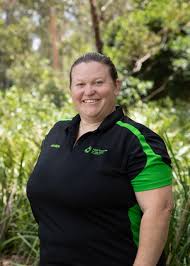
Article by
Amanda Palmer
Amanda Palmer is the founder and CEO of ASAP Solutions, which offers a full suite of financial services, focusing on NDIS Plan Management, Business Tax Accounting and Advisory.
Amanda builds close working relationships with her clients and their families and assists them to effectively manage their financials. She tries to eliminate client roadblocks, frustrations and confusions by making processes as effective as possible and is constantly working for the best outcome for her clients.
Disclaimer
“The information on this website is general in nature and is provided for information purposes only. It is not legal, financial or professional advice. You should obtain specific, independent advice relevant to your circumstances.”