

Last June, a Sunshine Coast cafe owner named Sarah discovered she had overlooked over A$4,200 in tax deductions simply because she didn’t understand how to claim her new commercial oven. If the thought of calculating depreciation makes you want to close your laptop and head to the beach, you aren’t alone. Most Queensland business owners find ATO jargon confusing and worry they’re missing out on valid claims. It’s stressful to manage asset records manually, especially when you’re already busy running the daily operations.
We believe accounting should be a relief, not a headache. This guide explains exactly how asset write-offs work in simple terms so you can feel confident in your 2026 tax strategy. You’ll learn how to maximize your deductions and how to use tools like Xero or MYOB to handle the heavy lifting for you. We’ll show you how to turn those spreadsheet nightmares into a streamlined system that actually makes sense for your business, giving you the insights you need to grow with confidence and stay in control.
Key Takeaways
- Understand how to turn asset wear and tear into simple tax savings without the usual accounting headaches.
- Discover how depreciation works to lower your taxable income, keeping more cash in your Queensland business for future growth.
- Identify which everyday business assets, from your trusty work ute to your office laptop, are eligible for tax-saving claims.
- Learn how smart software like Xero and MYOB can automate the calculations so you can stay in control without the stress.
- Find out how working with an IPA professional provides the expert local insight you need to maximize your returns and simplify your finances.
What is Depreciation? The ‘No-Jargon’ Explanation for QLD Owners
Running a business in Queensland is rewarding, but tax time often feels like a puzzle. One piece that confuses many owners is depreciation. Simply put, it’s the way we spread the cost of a business asset over the years you actually use it. Instead of claiming a A$10,000 piece of equipment as one giant hit to your bank account today, you claim a portion of that cost each year.
Think of it as “wear and tear” expressed in dollars for your tax return. It’s a way to reflect the declining value of your equipment as you use it. For a deeper dive into the accounting mechanics, you can read more about What is Depreciation? on Wikipedia. This process helps your business reflect its true financial health. It ensures your profit looks accurate while giving you a consistent yearly tax deduction.
It’s also helpful to distinguish between a standard expense and a depreciating asset. A standard expense is something you use up quickly, like your monthly internet bill or a tank of fuel for the ute. A depreciating asset is a “big ticket” item that brings value to your business for more than a year, such as a delivery van, a high-end espresso machine, or office furniture.
Why the ATO requires depreciation
The ATO uses a concept called “Effective Life.” This is just a professional way of saying how long a piece of equipment is expected to last before it wears out or becomes obsolete. By matching the cost of the item to the period you actually use it, your books stay balanced. It prevents your business from looking like it made a massive loss the year you bought the asset and an inflated profit in the years following.
Depreciation vs. Instant Asset Write-Off
In 2026, many QLD owners prefer to claim the full amount of a purchase immediately. This is known as the Instant Asset Write-Off. While this is a great boost for cash flow, it usually only applies to assets under a specific dollar threshold set by the government. Larger purchases, like a A$90,000 truck or major shop fit-out, often still need to be spread over several years. If you want to see how these rules apply to your specific purchases, our tax services can help you stay in control without the stress.
How Depreciation Lowers Your Tax Bill in 2026
Think of depreciation as a way to reclaim the “wear and tear” costs of your business gear. Every dollar you claim reduces your taxable income directly. If your business earns A$100,000 but you have A$5,000 in depreciation, the ATO only looks at A$95,000. This keeps more cash in your bank account to help you grow. How Depreciation Lowers Your Tax Bill is a core part of your financial strategy because it turns an aging asset into a fresh tax saving.
Planning for these deductions also helps your future cash flow. Instead of being surprised by a big tax bill in June, you can predict exactly how much you’ll save. Keeping digital records throughout the year is vital. If you wait until the 30th of June to find your receipts, you’ll likely miss out on valid claims. We love helping clients stay organized so they never leave money on the table.
The 2026 Small Business Tax Incentives
For the 2026 financial year, the instant asset write-off remains a powerful tool for Queenslanders. Small businesses with an annual turnover under A$10 million can usually deduct the full cost of eligible assets costing less than A$20,000. This means if you buy a new A$15,000 delivery van before June 30, you could potentially reduce your taxable income by that full amount immediately. It’s a great way to reinvest in your growth without the long wait.
Simplified Pooling Rules
If your assets don’t qualify for an immediate deduction, don’t worry. The small business pool makes things easy by grouping your equipment together. You generally claim a 15% deduction in the first year an asset is added to the pool. In every year after that, you claim a 30% deduction on the remaining balance. This cuts down your paperwork significantly. You won’t need to track dozens of different schedules for every single item in your office. If you’re feeling overwhelmed by the numbers, check out our tax services to see how we can simplify things for you.
Common Assets Queensland Businesses Can Depreciate
Every business in Queensland uses different tools to get the job done. Whether you are running a fleet of delivery vans through Brisbane or operating a boutique consultancy in Noosa, your equipment loses value as it ages. This process is called depreciation, and it allows you to claim that loss in value as a tax deduction. It’s a way to acknowledge that your assets won’t last forever.
Most local businesses have more depreciable items than they realize. Common examples include:
- Vehicles: This includes the classic Queensland work ute, delivery vans, and even heavy trailers used for transport.
- Technology: Laptops, desktop computers, servers, and specialized software used to manage your operations.
- Industry-specific gear: Medical equipment for NDIS providers or high-end power tools for local tradies.
- Office fit-outs: Items like carpets, removable partitions, and desks that make your workspace functional.
What counts as a ‘Depreciating Asset’?
A simple rule of thumb is the “tangible” rule. If you can touch the item and it has a limited effective life, it’s likely a depreciating asset. For example, according to the ATO’s TR 2024/1 ruling, a standard laptop has an effective life of 3 years. We often see business owners miss smaller items like security systems, air conditioning units, or even the coffee machine in the staff kitchen. If you bought it to help your business earn money, we should look at its depreciation potential. Local tradies in particular often overlook claimable tools and equipment — pairing your depreciation claims with dedicated bookkeeping services for trades ensures nothing slips through the cracks.
Assets that don’t depreciate
Not everything in your business qualifies for these deductions. Land is the most common exception because it doesn’t wear out or lose value through use over time. You also need to distinguish between a repair and an improvement. Replacing a single broken window in your office is a repair, which you usually claim as an immediate expense. However, replacing all the windows with energy-efficient glass is an improvement. Improvements are treated as capital works and are claimed over a much longer period.
Feeling unsure about which of your recent purchases count? We can help you identify every claimable asset to ensure you stay in control of your finances. Explore our tax services today to see how we make the process easy.
Making Tax Easy with Xero and an IPA Professional
Tracking every computer, vehicle, or piece of equipment for depreciation shouldn’t feel like a second job. If you’re still using a manual spreadsheet, you’re likely wasting over 10 hours a year just fixing data entry errors. Cloud accounting software like Xero and MYOB automates the heavy lifting; you can also look at insights from Stewart Accounting Services to compare different software options. These tools calculate the math for you, ensuring your business stays compliant without the late-night headaches.
We handle the numbers, so you can focus on what matters most. Moving from a spreadsheet nightmare to a proactive system means you’ll always know your business’s true value. You won’t just survive tax time; you’ll master it with confidence.
Harnessing Cloud Accounting for Asset Tracking
Setting up a Fixed Asset Register in Xero is a total game changer for Queensland business owners. Instead of guessing values at the end of the financial year, Xero tracks the life of your equipment from the moment you buy it. This system ensures your 2026 tax records are accurate and ready to go well before the deadline.
- ✅ Automated bank feeds flag new equipment purchases as they happen.
- ✅ Link your assets to specific depreciation categories with one click.
- ✅ Real-time reporting shows you exactly how your assets are aging.
The ASAP Solutions Difference
You deserve an accountant who speaks your language. Amanda is an IPA professional dedicated to demystifying your finances. She understands the local Queensland market and knows that small business owners need clarity, not confusion. We provide Straightforward & No Jargon advice to help you stay in control of your financial journey.
Our team focuses on your success by making the complex feel simple. We’re tech-savvy and future-focused, ensuring you use the best tools for your growth. You can explore our tax services to see how we simplify your lodgement process. Let’s turn your accounting from a chore into a powerful tool for your business’s future.
Take Control of Your Tax Savings Today
You’ve worked hard to build your Queensland business, and you shouldn’t let complex tax rules slow your progress. Mastering depreciation allows you to turn equipment, vehicles, and technology into valuable deductions that keep more A$ in your bank account. These claims help offset your income and lower your 2026 tax bill, providing the essential cash flow you need to reinvest and grow.
Managing these numbers doesn’t have to be a headache. Using Xero or MYOB makes tracking your assets a simple part of your routine. Amanda is a qualified IPA member and a certified expert in these platforms, specializing in the unique needs of Queensland small businesses and NDIS plan management. We handle the technical details so you can stay focused on your goals. Our team is ready to help you streamline your finances and stay in total control without the stress. If you operate vehicles or heavy equipment, you may also be leaving money on the table by not claiming your fuel tax credits for your Brisbane business, which can add up to a significant cash injection alongside your depreciation savings.
Book a Stress-Free Tax Consultation with our Queensland Team
We’re here to make your financial journey easy and empowering every step of the way.
Frequently Asked Questions
Can I claim depreciation on a second-hand asset for my business?
Yes, you can claim depreciation on second-hand assets as long as they help you earn business income. For the 2026 financial year, small businesses with an annual turnover under A$10 million can include these items in their general small business pool. Whether you bought a used delivery van or a pre-loved office desk, you’re entitled to a deduction for its wear and tear over time. It’s a simple way to save.
What happens to the depreciation if I sell an asset before its ‘effective life’ is over?
You need to perform a balancing adjustment if you sell an asset before its effective life ends. If you sell a tool for A$4,000 but its tax value on your books was only A$2,500, the A$1,500 difference counts as assessable income. If you sell it for less than the book value, you claim the difference as a deduction. We help you calculate this so there are no surprises at tax time.
Do I need to keep receipts for every asset I want to depreciate?
You must keep receipts or digital records for every asset you claim to stay compliant with the law. The ATO requires you to hold onto these records for 5 years from the date you lodge your tax return. We recommend using a tech-savvy tool like Xero to store digital copies of your receipts. This keeps your files organized and removes the stress of searching through old shoeboxes during a review.
Can I claim depreciation on my car if I use it for both work and personal trips?
You can claim depreciation on your car, but you must limit the claim to the percentage used for business. If your 12 week logbook shows you use the vehicle for work 70 percent of the time, you only claim that portion of the total value decline. This ensures your tax return is accurate and reflects your actual business expenses. It’s a practical way to manage your vehicle costs throughout the year.
Is there a minimum cost for an item to be considered a depreciating asset in 2026?
For the 2026 financial year, the instant asset write-off threshold for small businesses is A$20,000. Assets costing less than this amount can be deducted in full the year you buy them. If an item costs more than A$20,000, you simply add it to your small business pool and claim a percentage each year. This rule helps you manage your cash flow while investing in the modern equipment your business needs to grow. For Brisbane tradies juggling tools, vehicles, and equipment purchases, bookkeeping services for trades can help you stay on top of these thresholds and deadlines without the weekend stress.
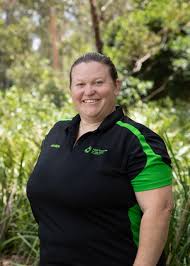
Article by
Amanda Palmer
Amanda Palmer is the founder and CEO of ASAP Solutions, which offers a full suite of financial services, focusing on NDIS Plan Management, Business Tax Accounting and Advisory.
Amanda builds close working relationships with her clients and their families and assists them to effectively manage their financials. She tries to eliminate client roadblocks, frustrations and confusions by making processes as effective as possible and is constantly working for the best outcome for her clients.
Disclaimer
“The information on this website is general in nature and is provided for information purposes only. It is not legal, financial or professional advice. You should obtain specific, independent advice relevant to your circumstances.”