



What if the most effective way to fund your business’s next big project was already sitting in your bank account? Many Australian business owners feel a sense of dread when they start wondering what are tax deductions and whether their record-keeping would actually stand up to scrutiny. It’s understandable to feel anxious about getting things right, but tax time should be a moment of empowerment rather than a source of stress.
We believe that financial management should be approachable and clear. In this guide, you’ll learn exactly how tax deductions work in the 2026 financial year so you can reduce your taxable income with total confidence. We’ll walk through the current rules, such as the permanent $20,000 instant asset write-off, and give you a practical framework for identifying valid expenses. You’re about to discover a much simpler, stress-free path to tax lodgement that lets you focus on your own priorities and business growth.
Key Takeaways
- Gain a clear understanding of what are tax deductions and how they work to lower your taxable income rather than acting as a direct refund.
- Master the three golden rules for claiming expenses to ensure your business remains compliant and ready for any ATO review.
- Identify common 2026 claimable items, including modern work-from-home costs and professional development that helps your business grow.
- Learn how to transition from stressful manual spreadsheets to streamlined cloud accounting tools for better record-keeping.
- Discover how an IPA can help you find legitimate ways to reduce your tax bill while you stay focused on your business priorities.
What Are Tax Deductions? Demystifying the Basics for 2026
Understanding what are tax deductions is the first step toward taking control of your business finances. A tax deduction is a specific cost you incur while running your business that you can subtract from your total income. They aren’t dollar-for-dollar refunds. Instead, they work by lowering the amount of income the government actually taxes you on. When you grasp exactly what are tax deductions, you can make smarter spending decisions throughout the year. Taxable income is the total amount remaining after all allowable deductions are removed from your gross earnings. For many Brisbane business owners, this clarity is the key to a much more relaxed tax season. Knowing which costs are claimable helps you plan your cash flow and avoids the anxiety of guessing through your Business Tax Services lodgement.
How Deductions Affect Your Final Tax Bill
Think of your gross income as a bucket. Deductions allow you to pour some of that income out before the tax office measures what is left. Your taxable income in Australia is determined by this simple calculation: Gross Income minus Deductions equals Taxable Income. If your business earns $80,000 in a year and you have $5,000 in valid deductions, you don’t pay tax on the full $80,000. You only pay tax on $75,000. This lower base can often move you into a lower tax bracket, saving you more money than you might expect.
Deductions vs. Tax Offsets: Know the Difference
It’s easy to mix up deductions and offsets, but they serve very different roles. While a deduction reduces your income figure, a tax offset reduces the actual dollar amount of tax you owe at the very end. Confusing these two can lead to unexpected results when you see your assessment. Keeping them separate in your mind helps you stay organized and reduces that end-of-year stress. We want you to feel empowered, not confused, by these financial terms.
The 3 Golden Rules for Claiming a Tax Deduction
While exploring what are tax deductions, it’s easy to get caught up in the potential savings. However, the Australian Taxation Office (ATO) relies on three simple “golden rules” to decide if a claim is valid. Following these ensures your personal tax returns are audit-proof and provides the peace of mind you need to grow your business. These rules act as a safety net, protecting you from mistakes while ensuring you claim everything you’re entitled to receive.
- Rule 1: You must have already spent the money yourself. If your employer or another party reimbursed you for the cost, it’s no longer claimable on your return.
- Rule 2: The expense must be directly related to earning your income. It shouldn’t be a personal or private cost that would have existed regardless of your work.
- Rule 3: You must have a record to prove it. Usually, this means keeping a receipt, a digital invoice, or a detailed logbook.
The ‘Direct Relation’ Test
The most common source of confusion is deciding if an expense is truly work-related. For example, a laptop used to manage your client accounts is a clear business expense. A high-end tablet used primarily for gaming is not. If you use a tool for both work and play, you must apportion the cost. If you use your phone for business 60% of the time, you can only claim 60% of the bill. Understanding these common business tax deductions helps you stay on the right side of the rules while maximizing your legitimate claims.
What Counts as a Valid Record?
A faded paper receipt in a shoebox isn’t your only option anymore. Digital records, bank statements, and electronic logbooks are all perfectly acceptable today. In Australia, you’re required to keep these records for five years from the date you lodge your return. Using modern tools makes this process much easier and significantly reduces tax-time anxiety. If you’re feeling overwhelmed by the paperwork, our Business Tax Services can help you organize your records so you’re always prepared. This simple habit turns a messy administrative burden into a streamlined, stress-free experience.
Common 2026 Tax Deductions for Growth-Minded Professionals
Staying informed about what are tax deductions allows you to invest back into your business with confidence. For the 2026 financial year, growth-minded professionals have several strategic opportunities to reduce their taxable income. One of the most significant is the permanent $20,000 instant asset write-off. Small businesses with an aggregated turnover of less than $10 million can deduct the full cost of eligible assets costing less than $20,000. This applies on a per-asset basis, meaning you can write off multiple tools or pieces of equipment to improve your cash flow immediately.
Professional development is another area where you can see real benefits. If you pay for subscriptions, industry accreditations, or courses that directly improve your current business skills, these are typically claimable. Even your community involvement can play a role. Donations and gifts to deductible gift recipients help support local causes while also providing a helpful boost to your tax position at the end of the year. It’s about finding the balance between growing your expertise and managing your fiscal obligations effectively.
Vehicle and Travel Claims
When you use your car for business, choosing the right claim method is vital. You can use the cents-per-kilometre method for simplicity or the logbook method if you travel frequently and want to maximize your return. Each method has specific record-keeping requirements that you’ll need to follow to stay compliant. If you’re unsure which path fits your situation, check out our guide on work-related car expenses for a deeper dive into the 2026 rules.
Home Office and Tech Gear
If you operate from a Brisbane home office, you can claim a portion of your running costs. This includes furniture, electricity, and your internet connection. You’ll need to choose between the fixed-rate method and the actual cost method based on your specific setup. For a clear breakdown of how to handle these claims without the stress, read our stress-free guide to home office expenses. Ready to get your lodgement sorted? Explore our Business Tax Services to ensure you’re claiming every dollar you deserve.
Managing Your Deductions: From Anxiety to Relief
Many business owners spend June in a state of panic, digging through old folders and trying to remember what are tax deductions they might have missed. Manual spreadsheets often lead to missed expenses and unnecessary stress. Switching to cloud accounting tools like Xero or MYOB changes the game entirely. These platforms turn a messy pile of receipts into a clear, organized digital record. By using our Cloud Accounting Support, you can see your financial health in real time without the end-of-year headache.
Working with an IPA (Institute of Public Accountants) provides an extra layer of security. We look beyond the surface to find legitimate “hidden” deductions that a standard checklist might overlook. This is a partnership where you focus on your business growth while we handle the technical task of compliance. Preparing for your tax return should be a year-round habit, not a seasonal crisis. When you stay on top of your records month by month, you gain a clear understanding of what are tax deductions that apply specifically to your business journey.
Leveraging Technology for Real-Time Tracking
Modern tools allow for auto-syncing bank feeds and digital receipt capture. This means no deduction is ever forgotten or lost in a glovebox. ASAP Solutions uses these tech-savvy tools to streamline your bookkeeping and payroll, effectively giving you back your weekends to enjoy remote travel with the Adventurerz community. You’ll spend less time on data entry and more time on the work that actually drives your revenue. It is a simple way to modernize your processes while staying completely audit-proof.
When to Seek Professional Advice
There is a massive difference between simply “doing your tax” and actually optimising your tax position. One is a box-ticking exercise; the other is a strategic move to keep more of your hard-earned money. We believe in providing a calm, supportive environment where you can ask questions and get clear answers. Ready to simplify your finances? Contact our Brisbane team today to see how we can turn your tax obligations into a stress-free experience.
Grow Your Business with Confidence and Clarity
Managing your business finances doesn’t have to be a source of anxiety. By mastering the golden rules of record-keeping and leveraging the current $20,000 instant asset write-off, you’re already ahead of the game. You’ve seen how modern cloud tools like Xero and MYOB can replace messy spreadsheets with real-time clarity. Now that you have a clearer picture of what are tax deductions and how they work, you can stop worrying about audits and start focusing on your next big project, perhaps with the help of creative experts like ahsdigital.co.uk.
Our team is here to provide the Brisbane local support you need to thrive. As an IPA-qualified accountant, Amanda and the ASAP Solutions team specialize in turning complex compliance into a streamlined, stress-free experience. We’re ready to help you optimize your position and ensure every legitimate expense is captured. You focus on your growth; we’ll handle the technical details.
Get your stress-free tax return started with ASAP Solutions and reclaim your peace of mind today. You have the tools and the knowledge to succeed; we’re just here to make the process easier.
Frequently Asked Questions
Can I claim a deduction if I don’t have a receipt?
You generally cannot claim a deduction without a receipt or a written record of the expense. The ATO requires proof for most claims, although they allow a total of $300 in work-related expenses to be claimed without receipts. Even in these cases, you must be able to explain how you spent the money and how the cost relates to your work.
Digital records are just as valid as paper ones. If you use cloud accounting tools to snap photos of your receipts throughout the year, you’ll always have the evidence you need. This simple habit removes the stress of hunting for faded slips of paper at the end of June.
Is there a limit on how much I can claim in tax deductions?
There is no fixed dollar limit on what are tax deductions you can claim, as long as the expenses are legitimate and directly related to your income. If you spent the money for your business and have the records to prove it, you can claim it. The key is ensuring the expense isn’t private in nature.
The ATO does monitor industry benchmarks to see if your claims are significantly higher than other businesses in your field. While this doesn’t mean you can’t claim high expenses, it does mean your record-keeping must be excellent. Staying organized ensures you can claim every dollar you’re entitled to with total confidence.
What happens if the ATO audits my tax deductions?
If the ATO audits your deductions, they will ask you to provide evidence for the claims made in your return. This process is a standard review to ensure that everyone is following the same rules. It isn’t something to fear if you have maintained clear records and logbooks throughout the year.
Having an IPA on your side can make this process much smoother. We help you organize your documentation so that if a review happens, you can provide the necessary proof quickly and easily. This professional support turns a potentially anxious situation into a simple administrative task.
Can I claim my commute to and from work as a deduction?
You usually cannot claim the cost of your daily commute between home and work. The ATO considers this a private expense because the journey happens before your business day officially begins. This rule applies even if you live a long distance from your workplace or work outside normal business hours.
There are very specific exceptions, such as when you are required to transport bulky tools that cannot be safely stored at your workplace. For most professionals, however, travel deductions only apply to trips made between two different places of work or when visiting clients during the day.
How do I know if I should use a tax agent for my deductions?
You should consider using a tax agent if your financial situation involves more than just a basic salary. When you manage a business or have complex work-from-home arrangements, a professional can help you identify what are tax deductions that you might otherwise miss. It’s about more than just data entry; it’s about optimizing your position.
Using a tax agent also provides you with extended lodgement deadlines and expert support. We take the technical burden of compliance off your shoulders so you can focus on your own priorities. It is a practical way to reduce tax-time stress while ensuring your business stays on a path of steady growth.
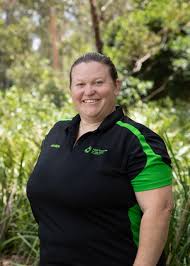
Article by
Amanda Palmer
Amanda Palmer is the founder and CEO of ASAP Solutions, which offers a full suite of financial services, focusing on NDIS Plan Management, Business Tax Accounting and Advisory.
Amanda builds close working relationships with her clients and their families and assists them to effectively manage their financials. She tries to eliminate client roadblocks, frustrations and confusions by making processes as effective as possible and is constantly working for the best outcome for her clients.
Disclaimer
“The information on this website is general in nature and is provided for information purposes only. It is not legal, financial or professional advice. You should obtain specific, independent advice relevant to your circumstances.”